Pride ~ Quality ~ Precision

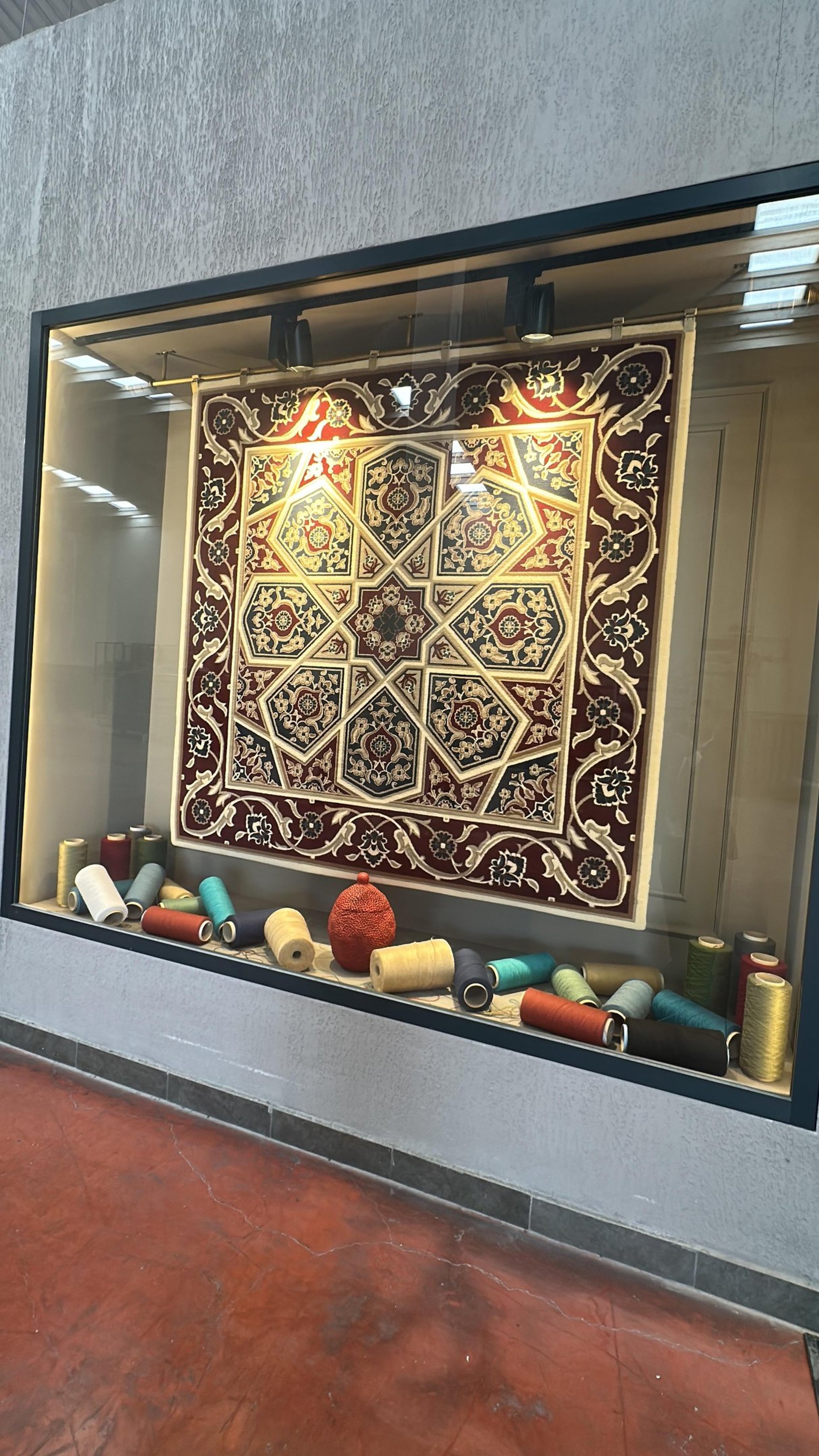
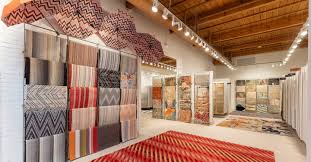
CARPET SHOWROOM
FLOORLINE CREATIONS
DOMESTIC & COMMERCIAL

VIEW ALL PICTURES BY CLICKING ON THEM
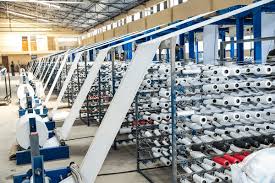
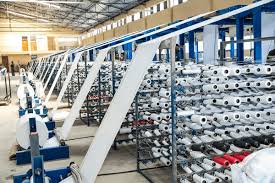
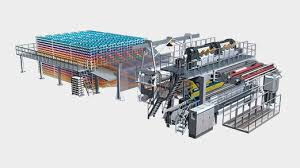
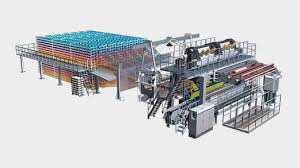

MODERN DAY CARPET MACHINERY
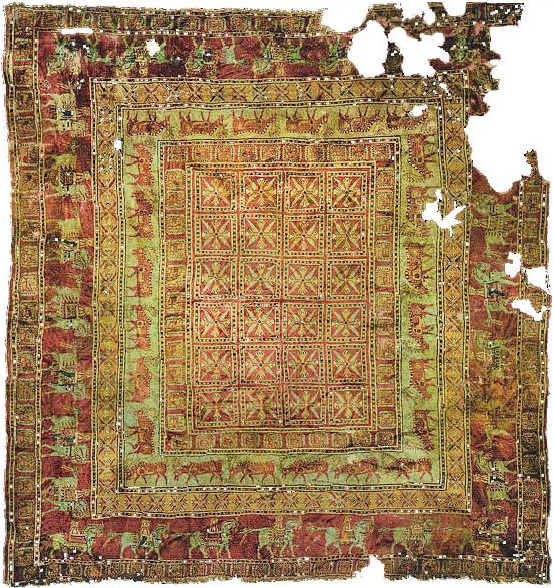
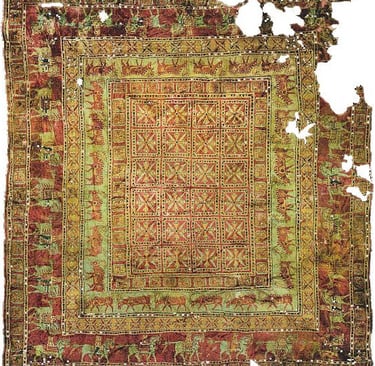
The history of carpet begins with the ancient Pazyryk carpet from the 5th century BC, showcasing early craftsmanship, with Persia later developing highly valued artistic and symbolic carpets. The Industrial Revolution brought mechanized weaving and the power loom, making carpets affordable and mass-produced in Europe and America. The 20th century introduced synthetic fibers and the mechanized tufting process, making carpets more durable, stain-resistant, and accessible for everyday use worldwide.
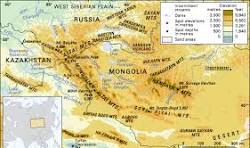
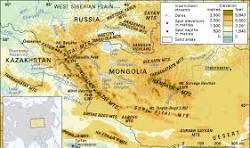
The Pazyryk rug is one of the oldest carpets in the world, dating around the 4th–3rd centuries BC. It is now in the Hermitage Museum in St. Petersburg, Russia. The Pazyryk rug was found in 1949 in the grave of a Scythian nobleman in the Bolshoy Ulagan dry valley of the Altai Mountains in Kazakhstan. The Pazyryk rug had been frozen in the ice and it was very well preserved. The rug has a ribbon pattern in the middle, and a border which has deer, and warriors riding on horses.[1] All parts of the rug are made of wool, including the pile and the base.[2]
Being produced either in Ancient Armenia, Persia or Central Asia, this carpet has 3600 symmetrical double knots per dm² (232 per inch²), in modern terminology also called "Ghiordes knot (or "Turkish knot")The design and the systematic motifs of the Pazyryk rug would later be found in similar Turkmen carpets, carpets of the early Seljuq period, and subsequently modern Turkish carpets and kilims.
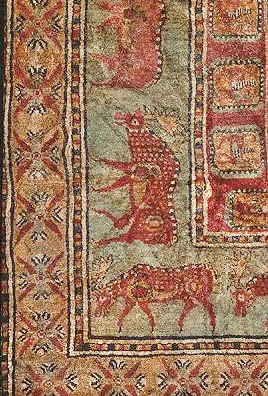
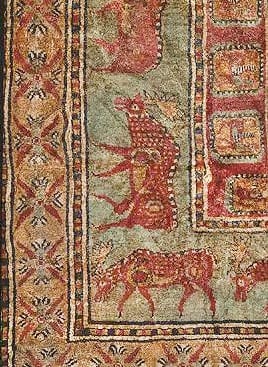
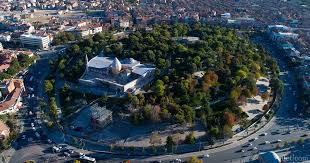
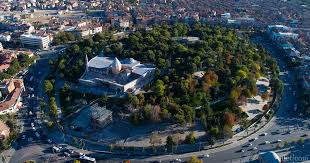
...The "oldest carpets" from the Seljuq period are actually a collection of 13th-century fragments, often called the Konya Carpets, discovered in Turkey's <<<+Alaeddin Mosque in Konya. They are significant as some of the oldest surviving Islamic knotted rugs, woven using the double Gördes (Turkish) knot and characterized by large dimensions and geometric designs with wide borders featuring stylized pseudo-Kufic script.
Key characteristics of Seljuq/Konya carpets:
Date:
Primarily 13th century, a significant example of carpets from the Seljuk period (1037–1307).
Technique:
Woven using the double Gördes (Turkish) knot.
Discovery:
Found in the Alaeddin Mosque in Konya, Turkey, by German consul Julius Harry Löytved-Hardegg in 1905.
Dimensions:
Often woven in large sizes, intended for important buildings or residences.
Design:
Characterized by bold geometric compositions, with a small number of contrasting light and dark colors.
Borders:
A prominent feature is a wide border decorated with stylized pseudo-Kufic script, which was characteristic of Seljuk rugs.
Why they are important:
They provide insight into early Turkish culture and its depth, as noted on cinar.ae.
They are some of the oldest surviving examples of Islamic knotted carpets and represent the rich artistic heritage of the Seljuk era.
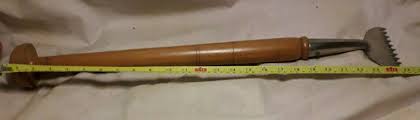
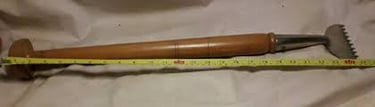
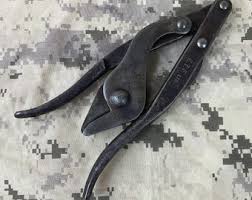
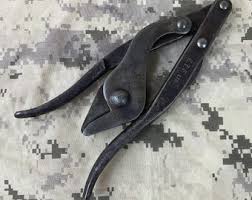
ANTIQUE CARPET FITTING TOOLS
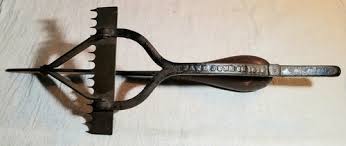
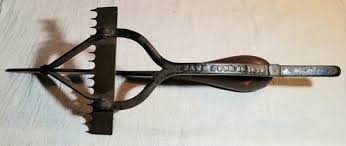
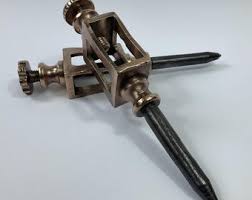
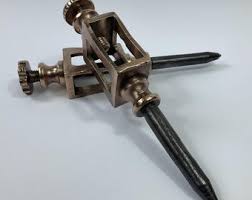
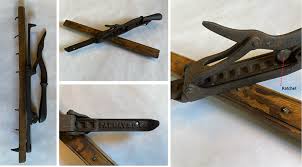
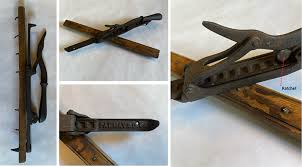


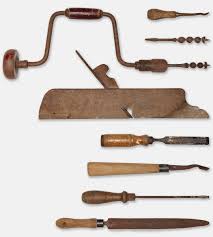
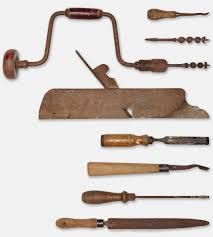
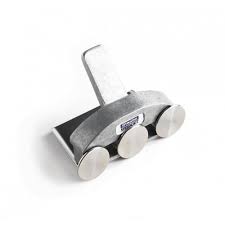
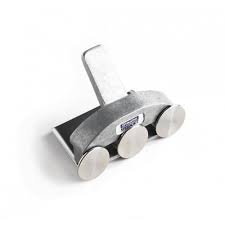
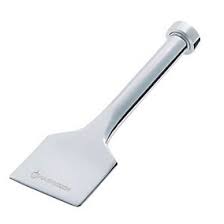
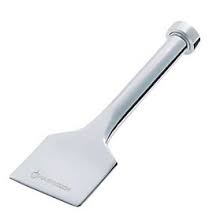
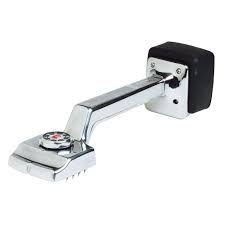
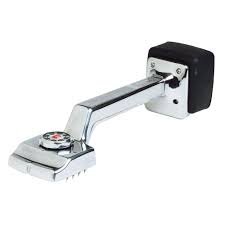
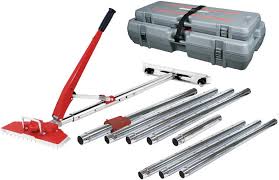
MODERN DAY CARPET TOOLS
TOOLS TIME TAPESTRY OF EVOLUTION
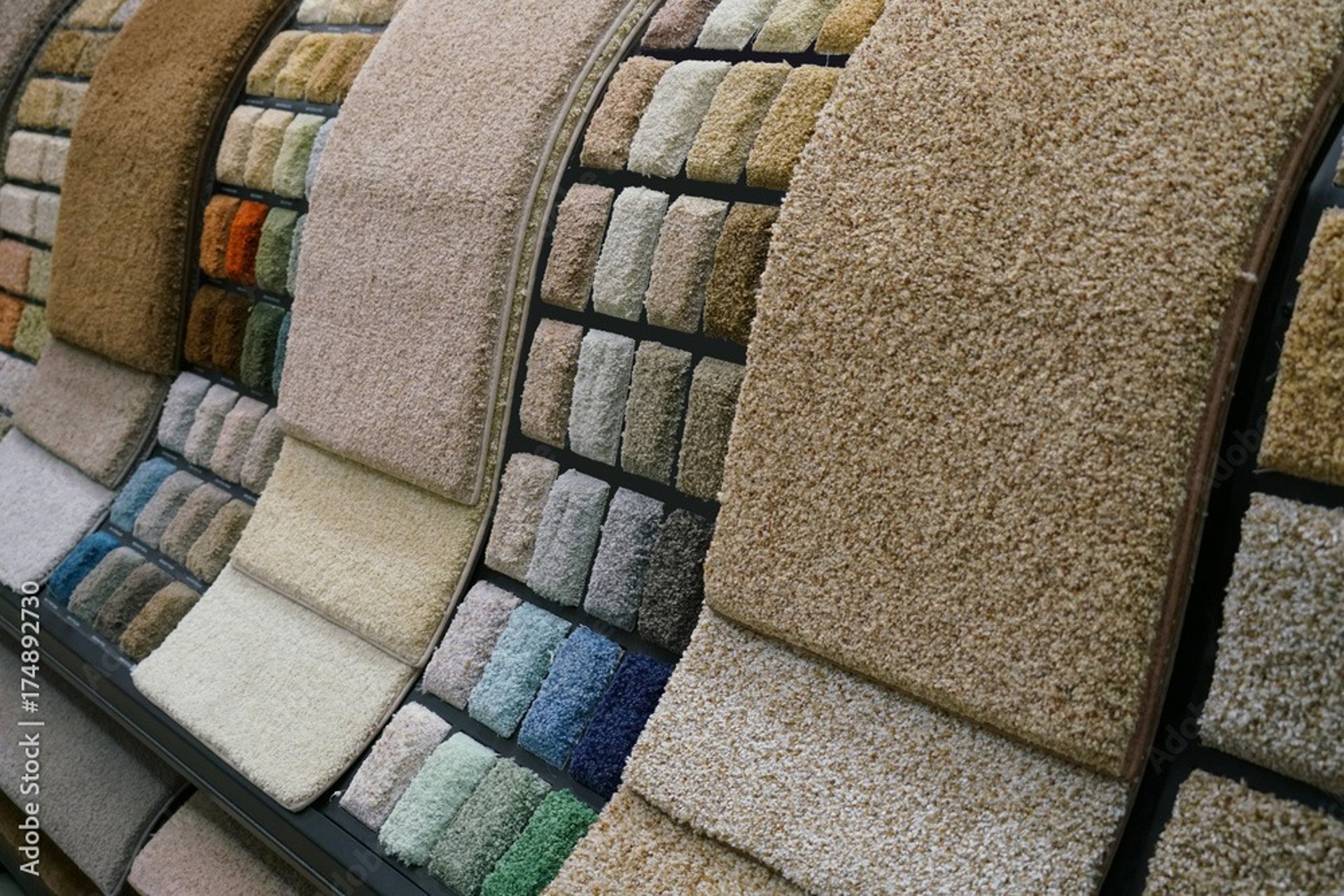
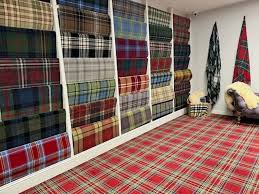
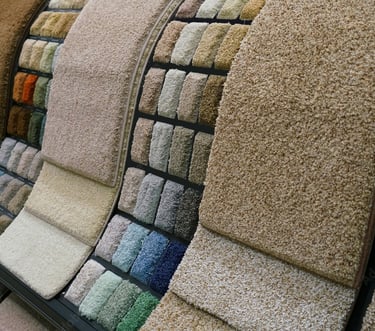
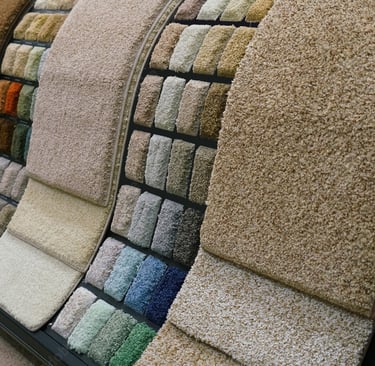


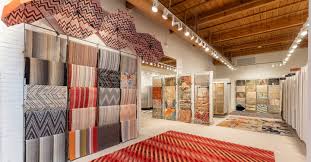
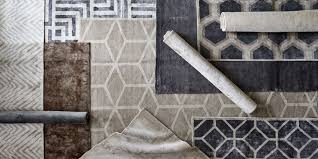
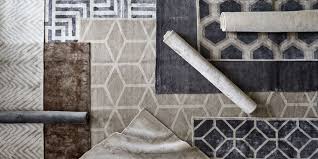
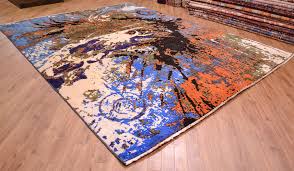


ECO CARPET COLLECTION

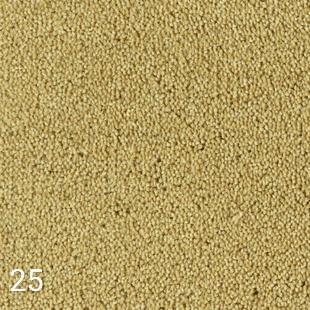
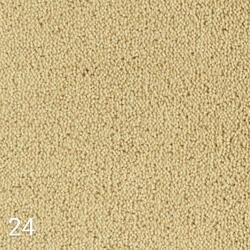
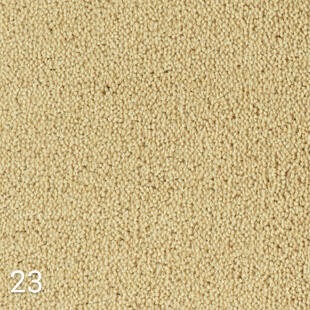
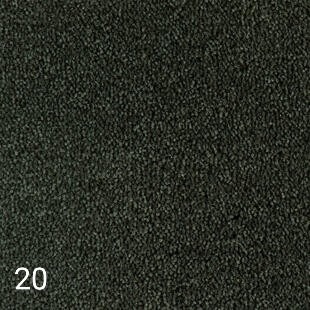
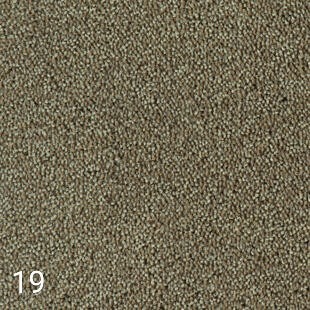

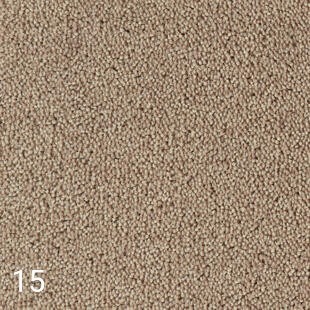
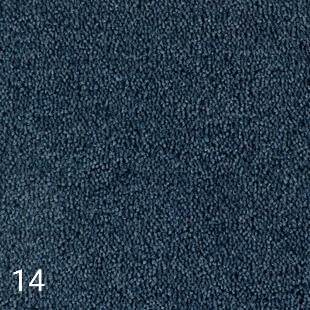
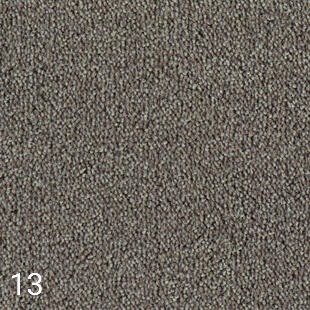
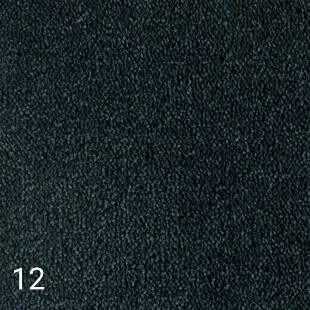
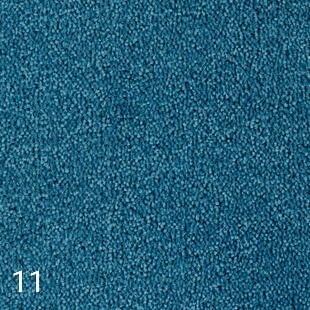
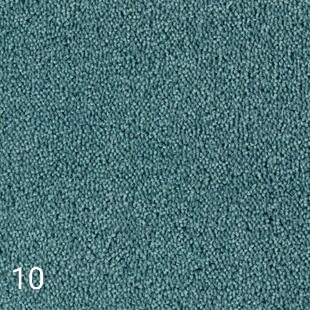
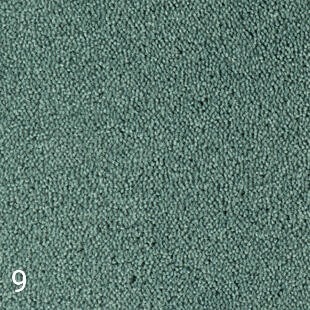
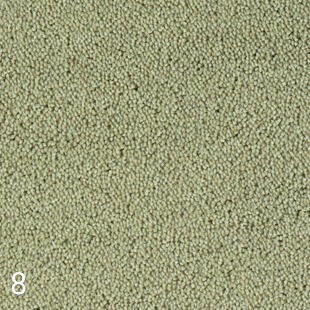
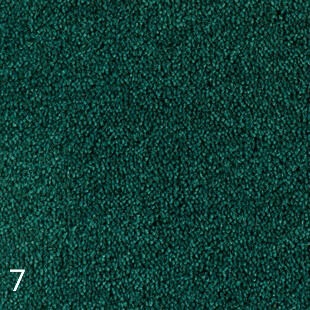
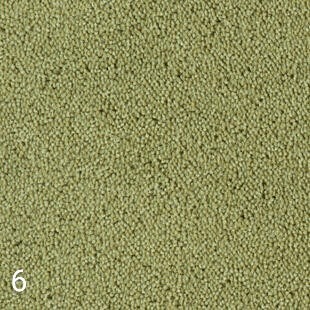
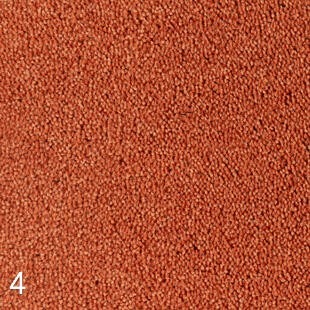
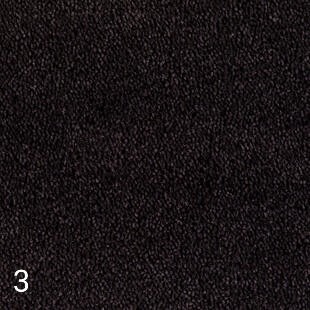
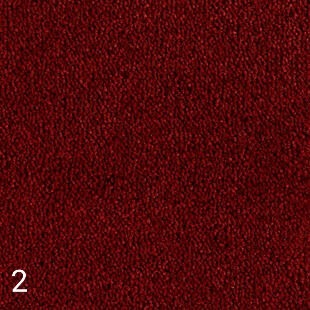
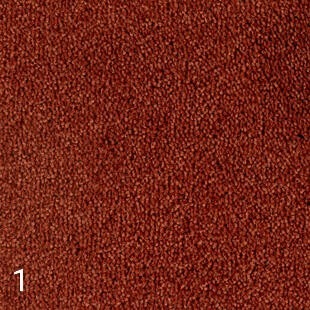
Colour King
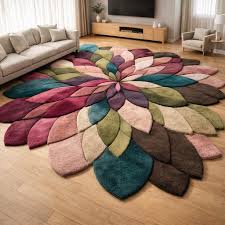
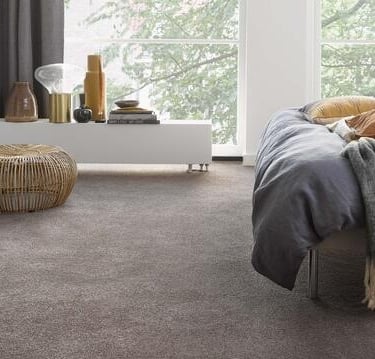
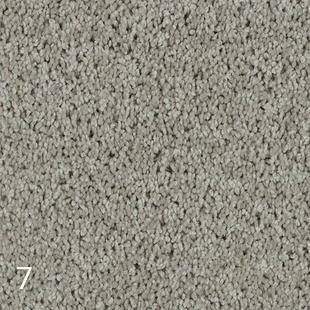
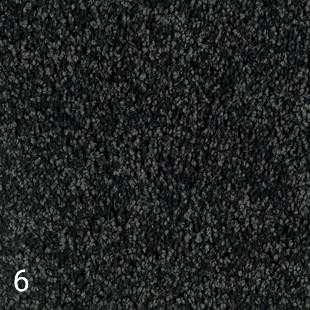
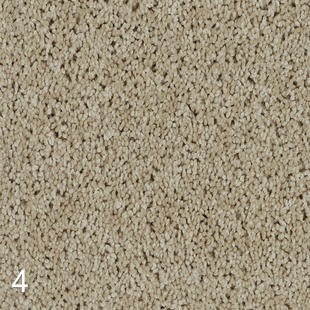
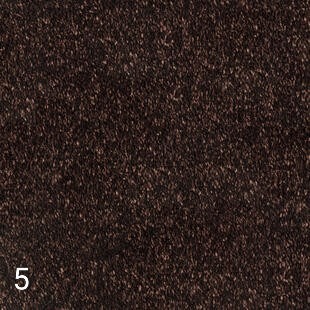
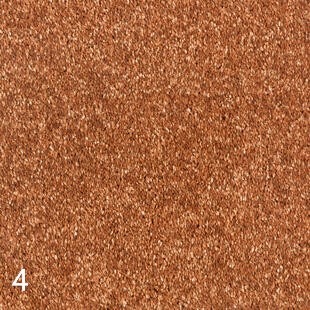
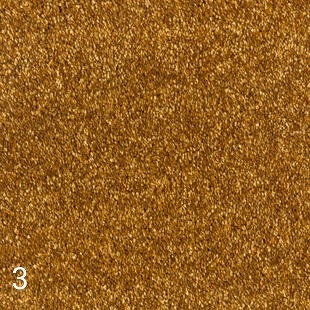
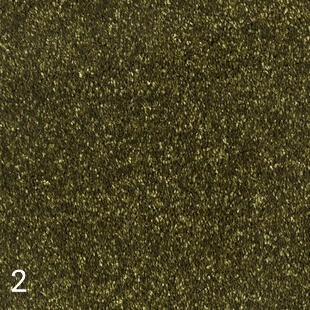
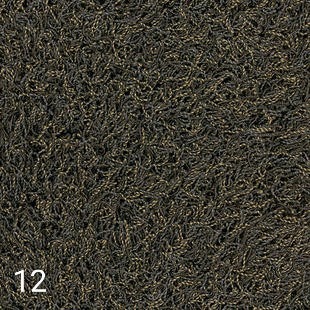
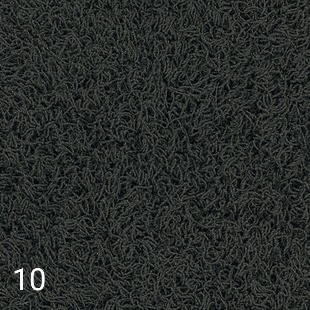
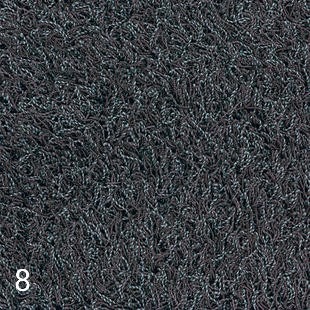
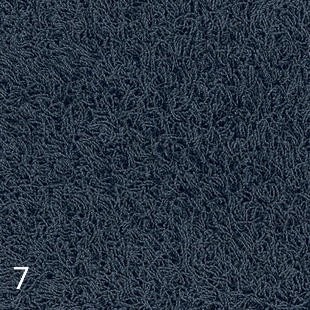
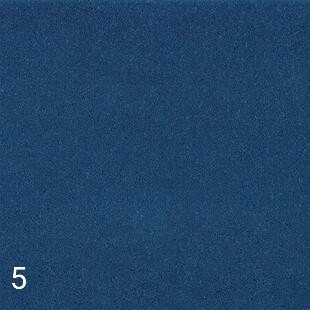
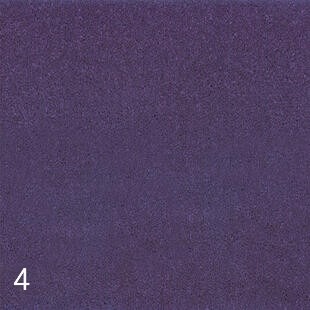
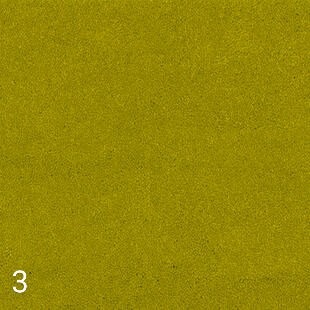
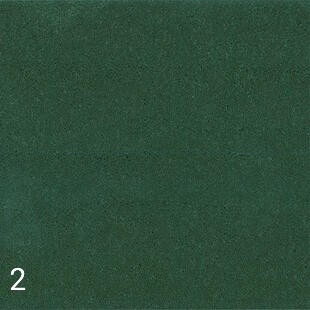
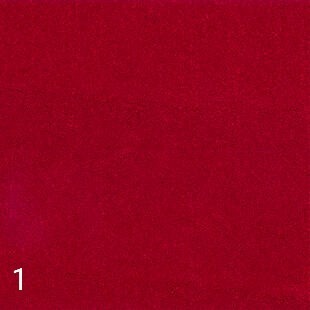
The Parade Colour King carpet collection has 38 colours to choose from. This colourful collection is made from ECONYL® yarn that consists of 100% recycled materials, including from old fishing nets from the ocean. The durable cut pile gives this uni-coloured carpet a lively look and an extra soft feel. Let your creativity run wild and make your own custom rugs from very colourful to tone-on-tone.
HOUSE CARPET
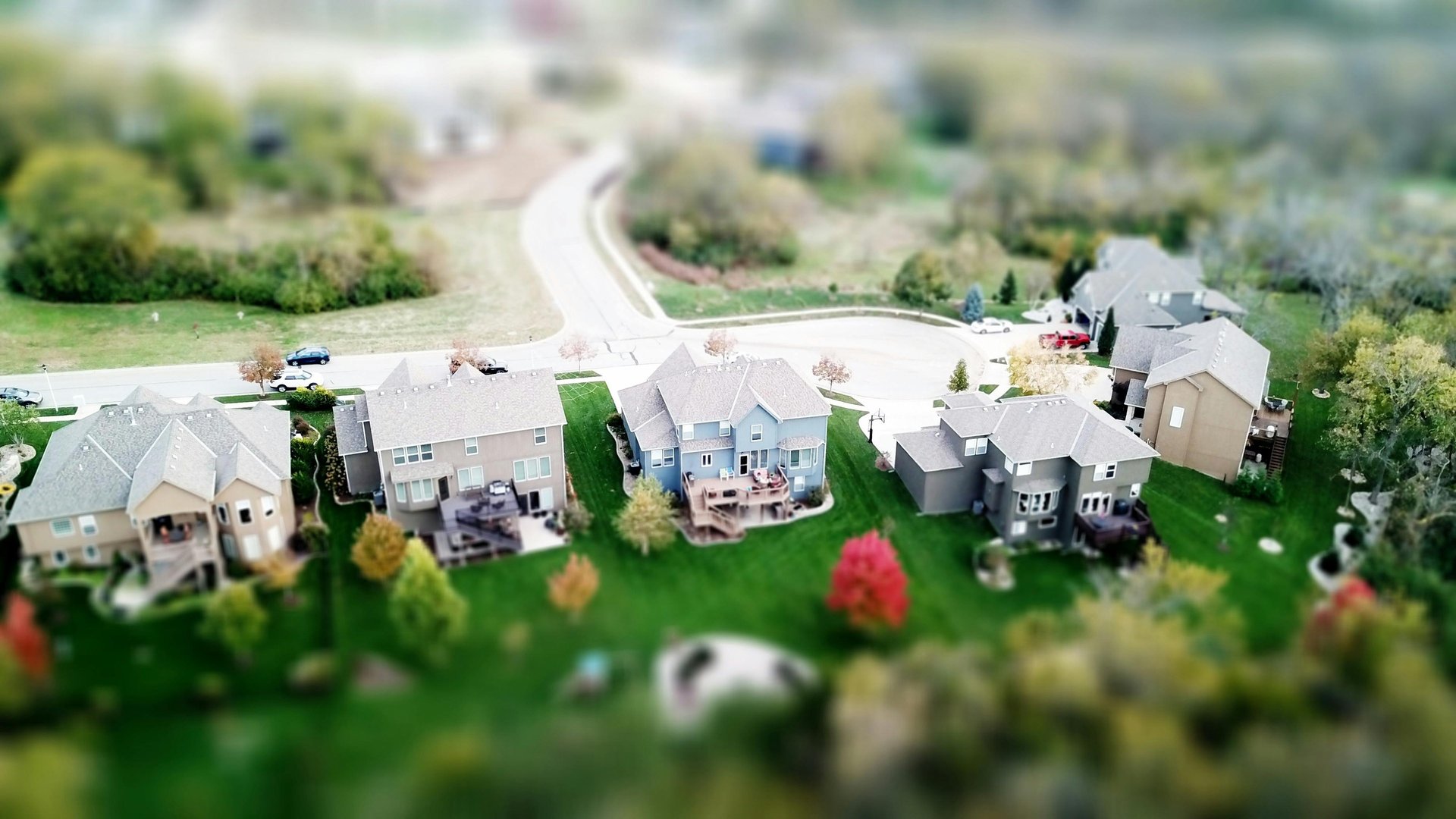
Carpets for a house come in a range of materials, styles, and pile types, each offering different benefits in terms of durability, comfort, and aesthetics. When choosing, it's important to consider factors like foot traffic, budget, and maintenance requirements for each specific room.
Common carpet types
Nylon (Polyamide): As the most common synthetic carpet fiber, nylon is known for its durability and resilience, making it ideal for high-traffic areas like hallways and living rooms.
Wool: A premium natural fiber, wool is luxurious and soft, and it insulates well for warmth. It is naturally durable but can be more expensive and harder to clean than synthetics.
Cut pile: The yarn loops are cut, creating a soft, plush surface.
Plush/Velvet: A dense, soft, and uniform cut pile, offering a luxurious, formal look. It shows footprints and vacuum marks easily.
Saxony: A longer-cut pile with a classic, elegant finish.
Frieze: A durable, tightly twisted, and textured cut pile that minimizes the appearance of footprints.
Loop pile: The yarn is left in its original uncut loops, making it highly durable and resilient.
Berber: A popular, low-profile loop pile known for its durability. It often features small flecks of color and a rustic texture.
Level loop: A uniform, dense loop pile that is practical for high-traffic areas.
Cut-and-loop pile: Combines both cut and looped yarns to create a patterned or sculpted texture.
Polypropylene (Olefin): An affordable, synthetic fiber that is highly stain-resistant, fade-resistant, and moisture-resistant. However, it can be prone to flattening in high-traffic areas.
Polyester: An affordable synthetic option known for its softness and vibrant colors, though it is not as resilient as nylon.
Natural fibers: Jute, sisal, and seagrass offer an eco-friendly and textural look. Sisal and coir are very durable, while jute is the softest but least hardwearing.
BY MATERIAL
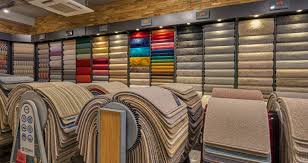
The material (or fiber) of a carpet determines its key characteristics, such as softness, durability, and stain resistance.
BY PILE STYLE
The pile is the visible surface of the carpet, and its construction significantly affects both its look and feel.
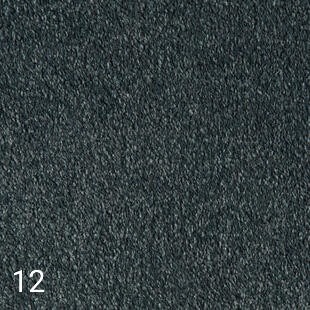
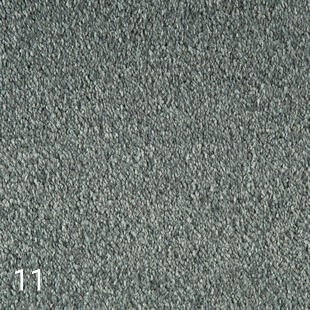
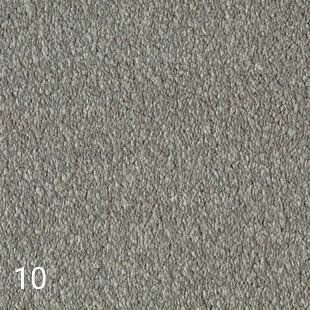
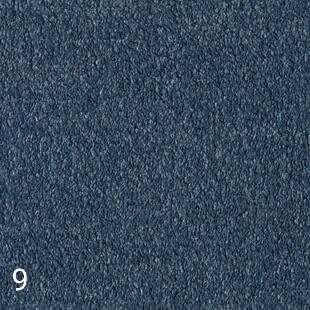
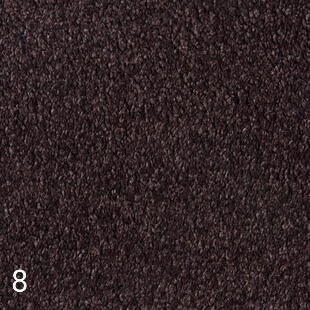
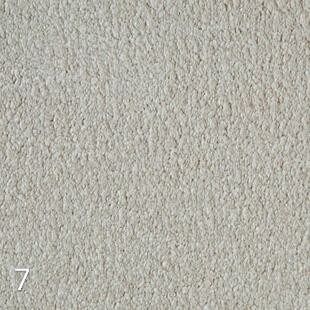
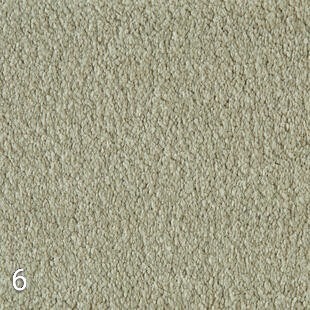
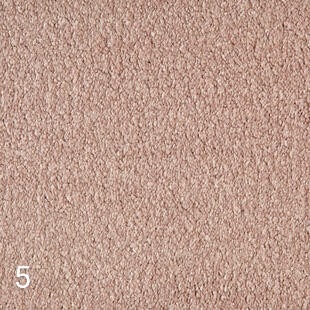
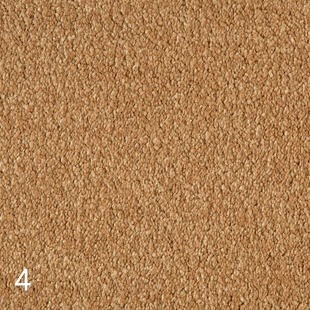
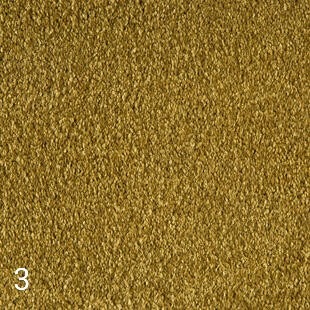
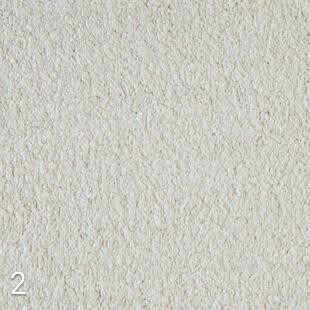
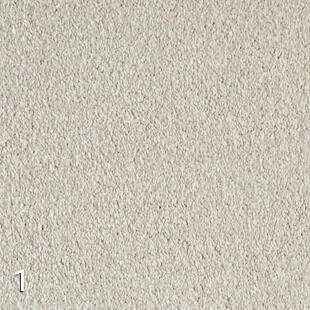
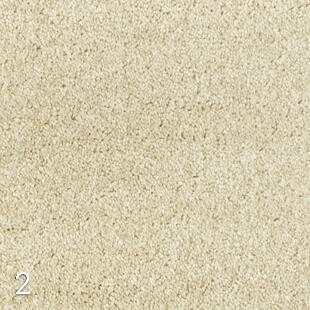
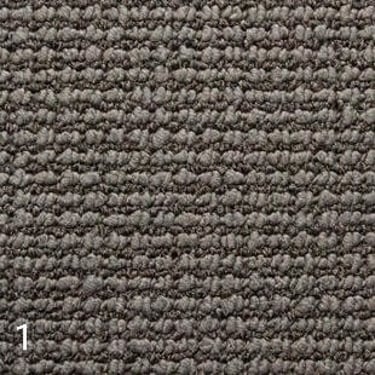
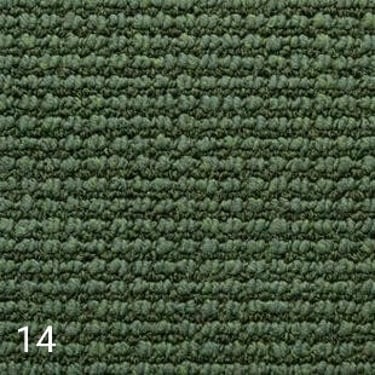
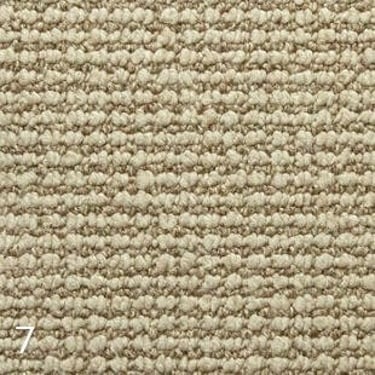
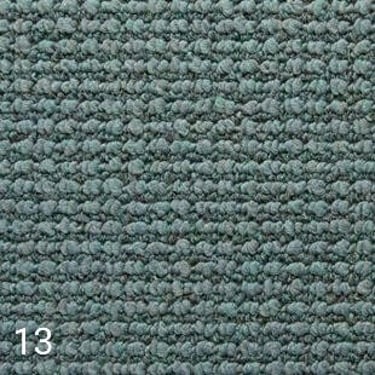
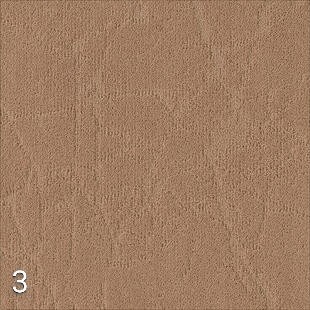
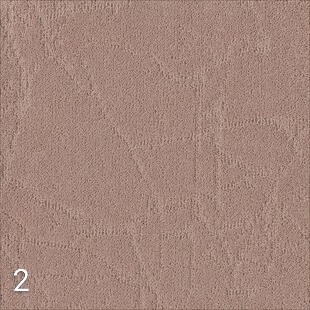
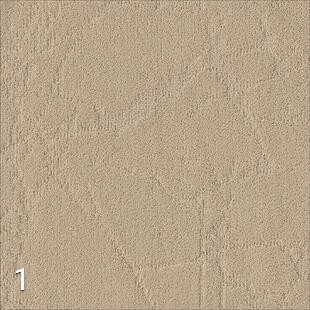
SOFTTOUCH 2
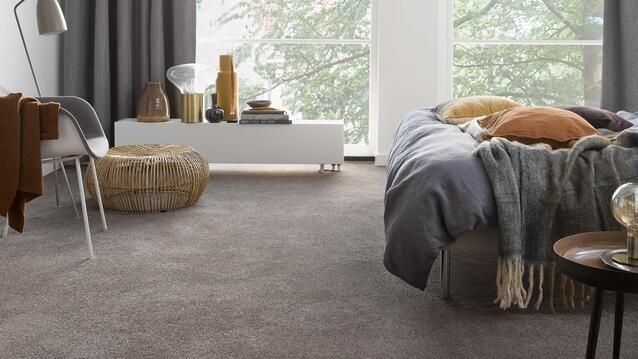



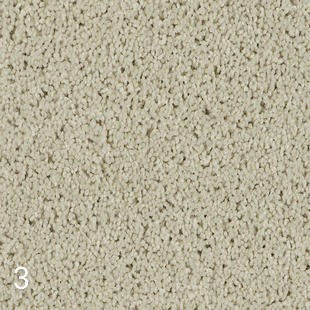
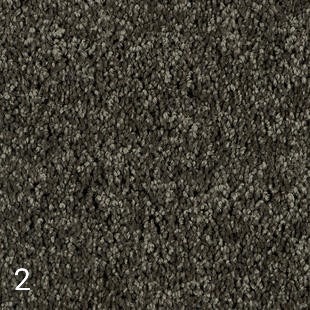
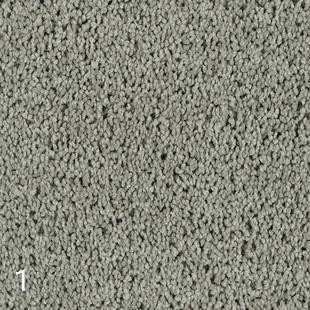
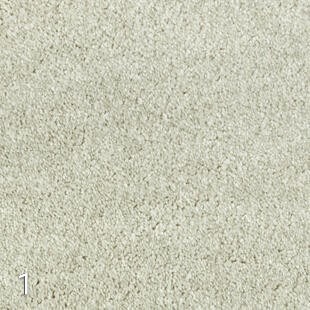
SOFT TOUCH 1
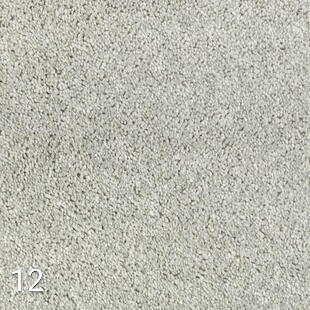

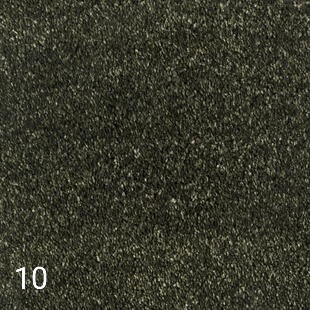
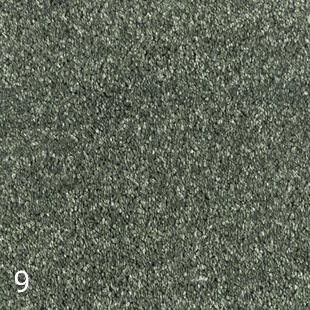
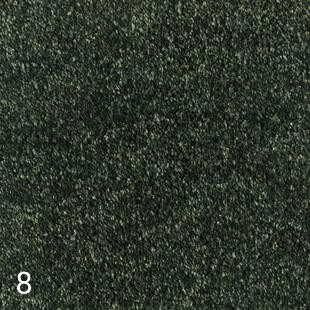
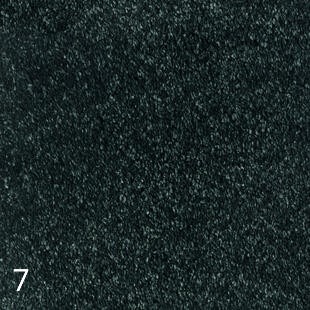
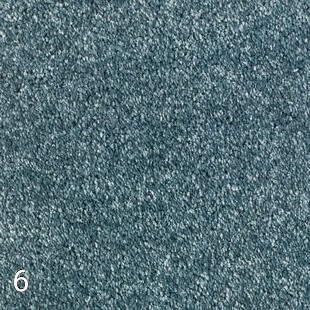
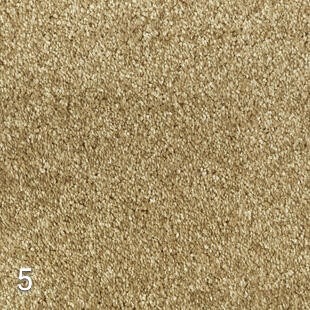
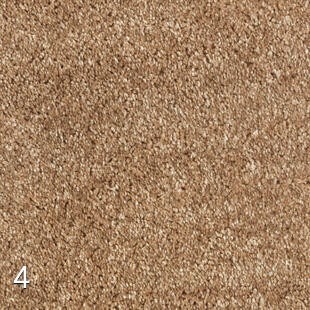
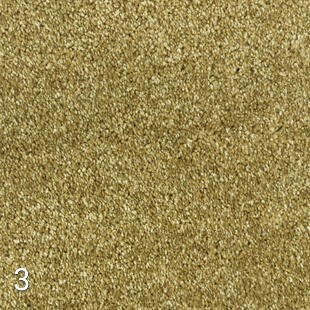
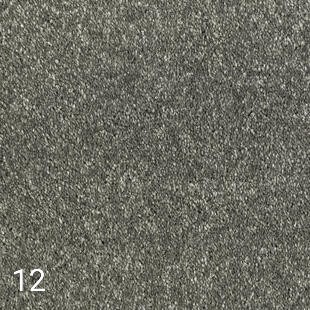
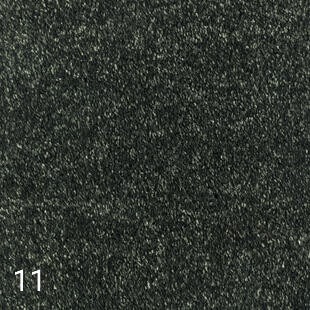
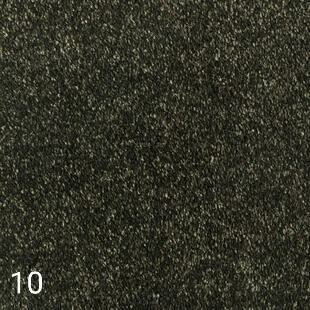
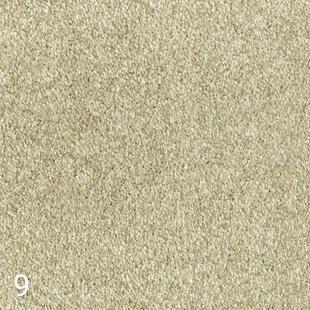
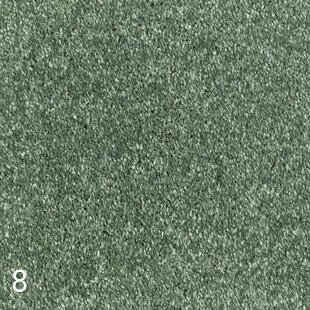

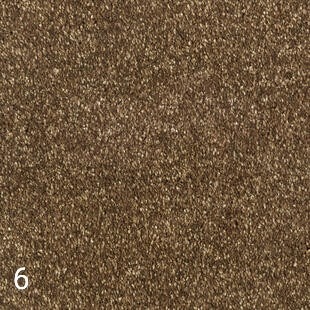
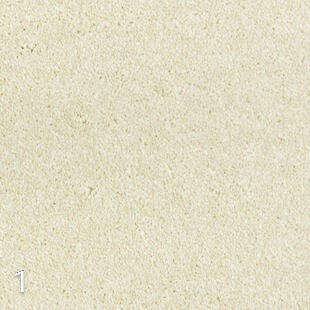

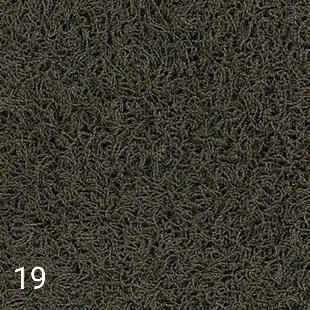
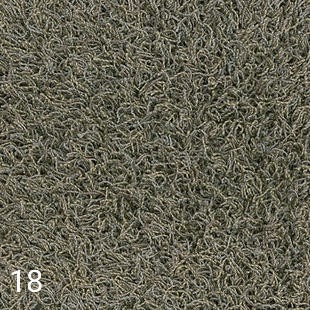
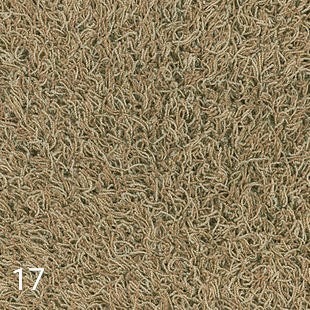
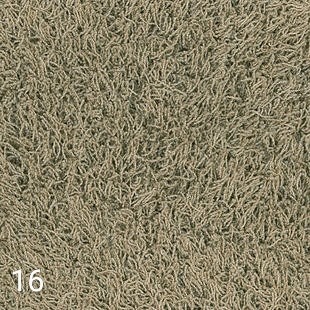
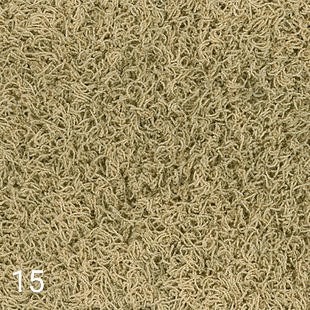
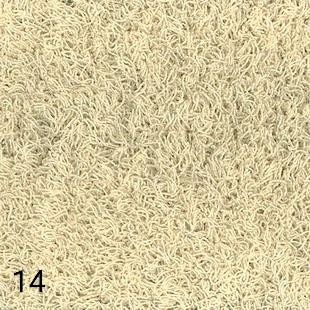
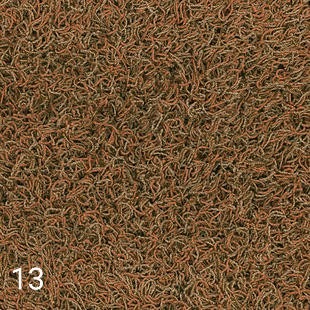


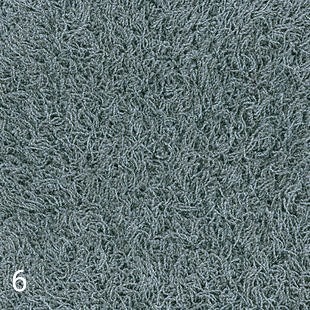
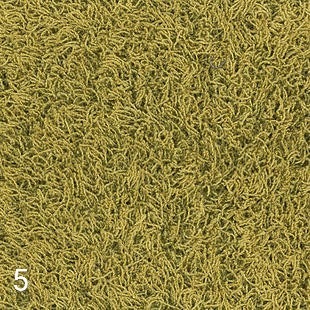
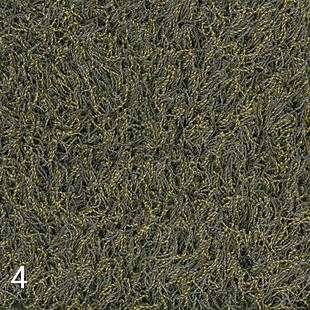
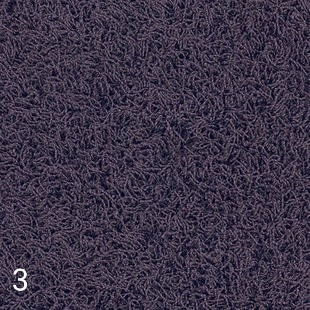
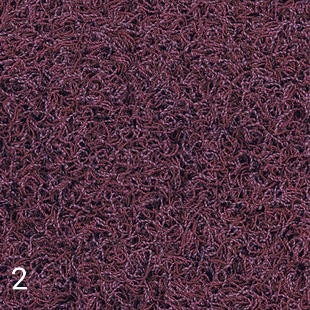
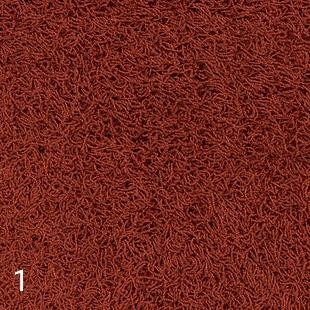

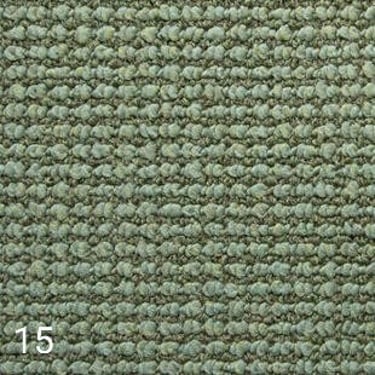
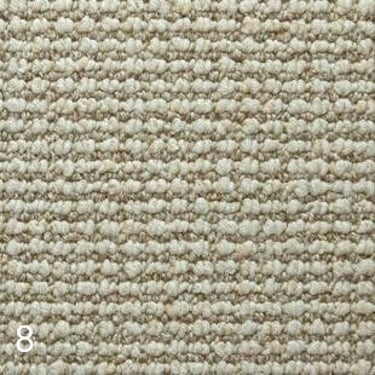
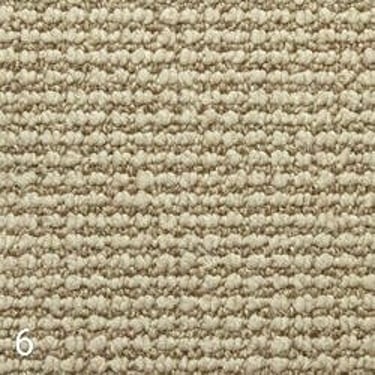
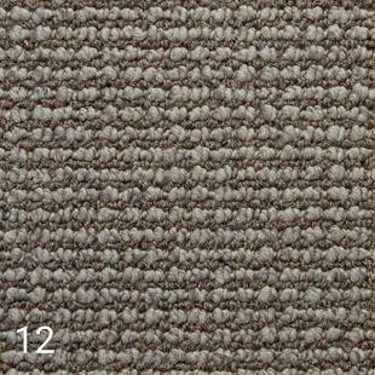
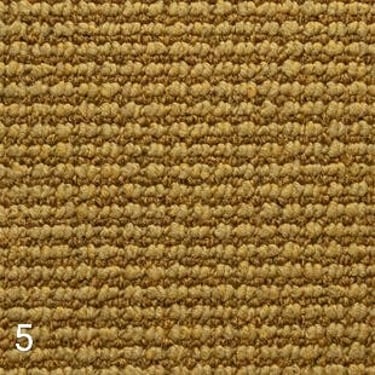
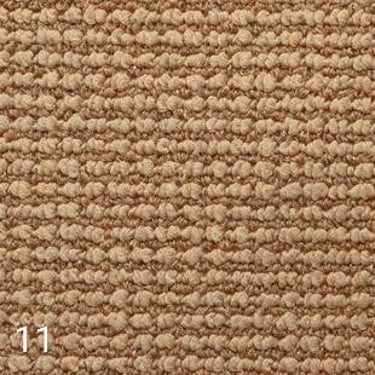
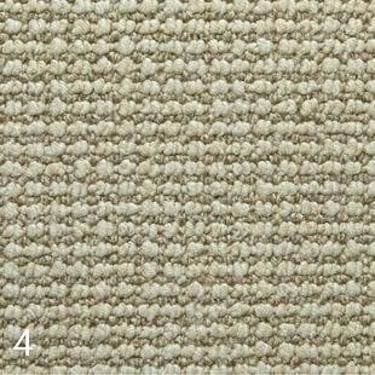
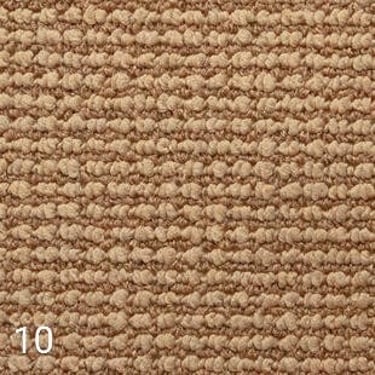
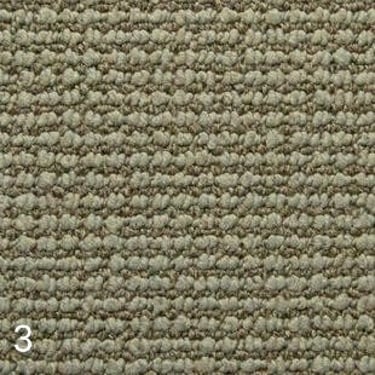
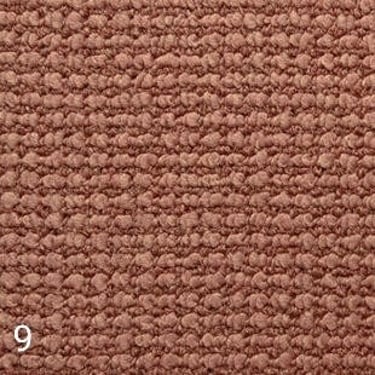
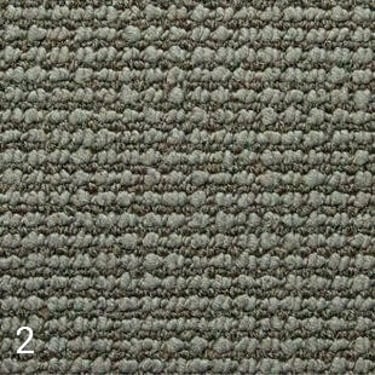



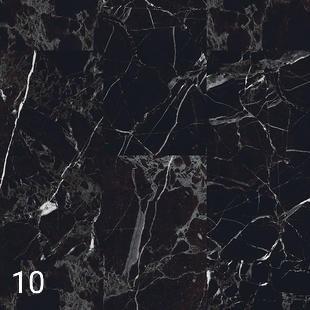
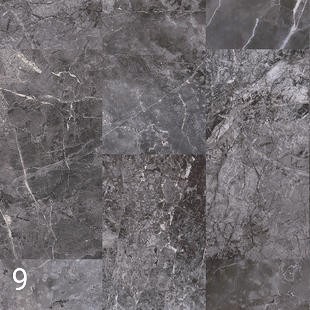
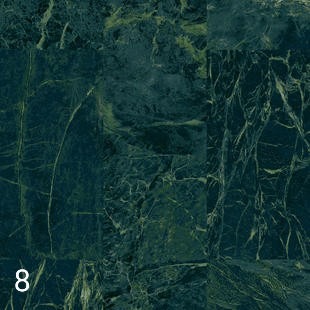

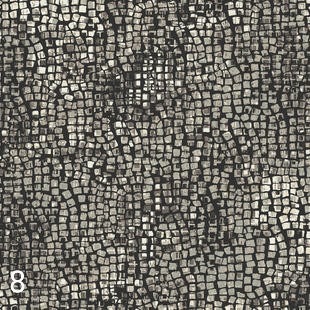
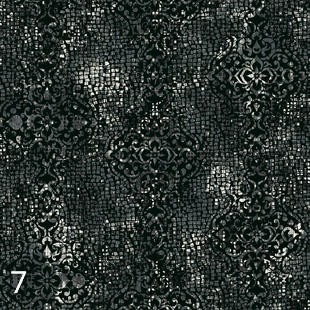
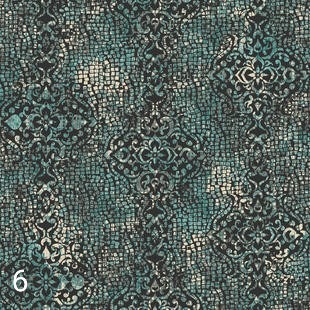
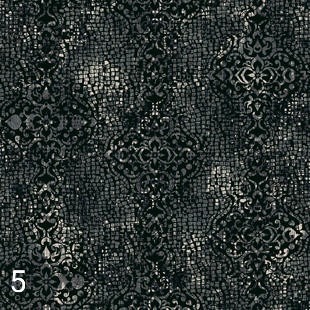
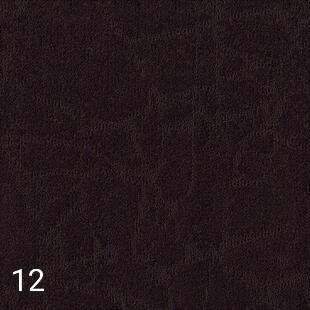
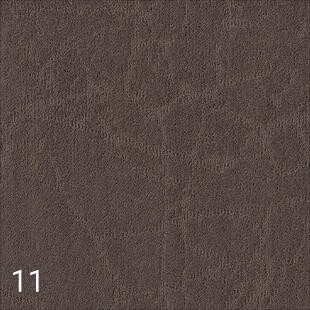
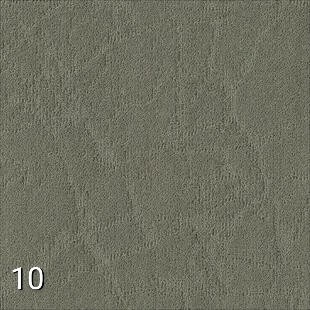
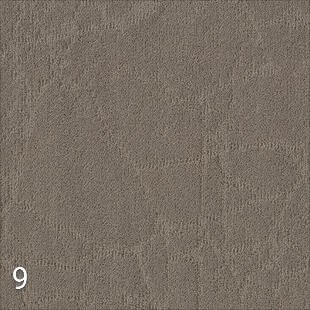
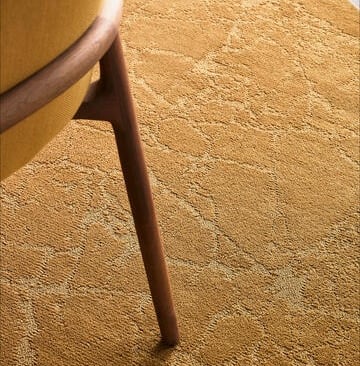
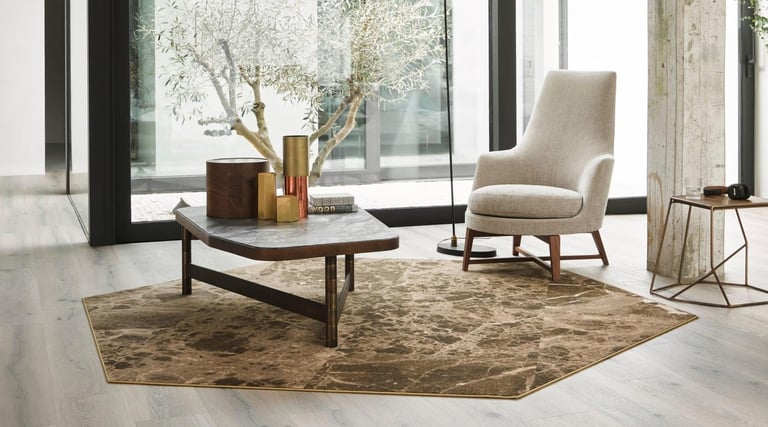
RETRO

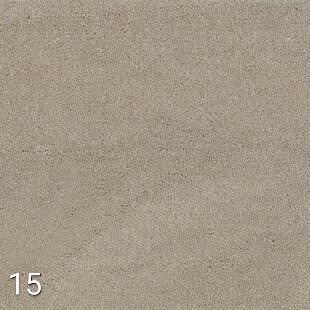

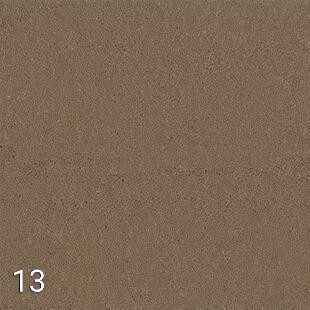
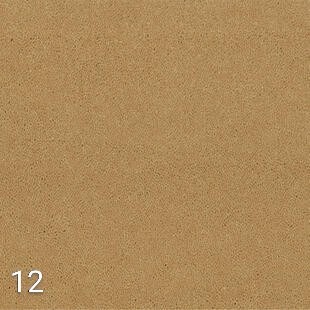
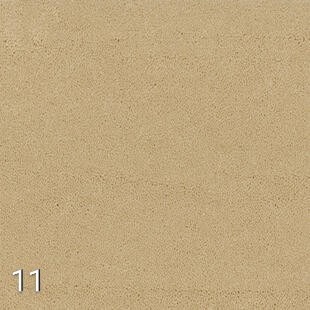

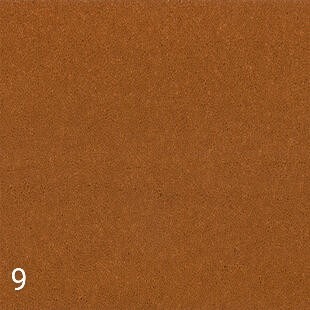
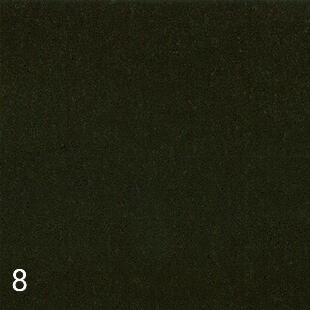
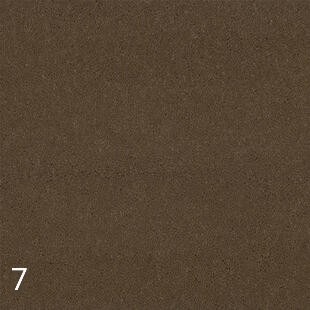
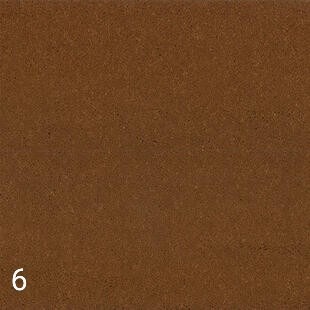

ART DECO
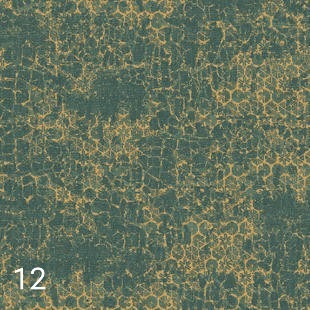
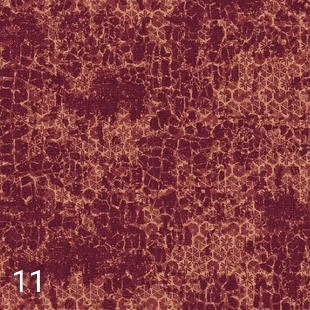
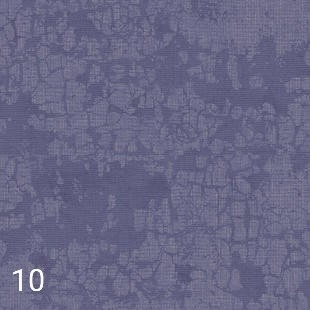
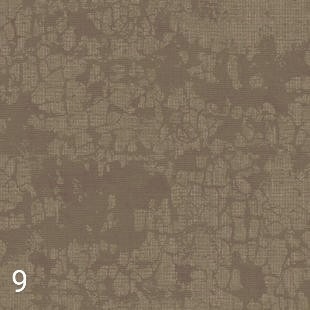
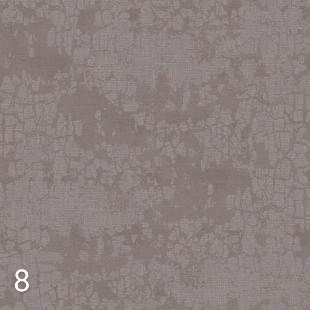
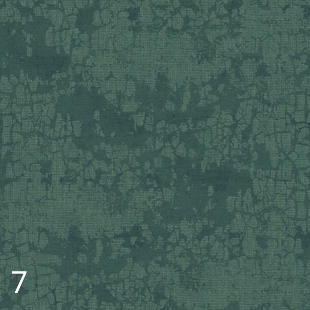
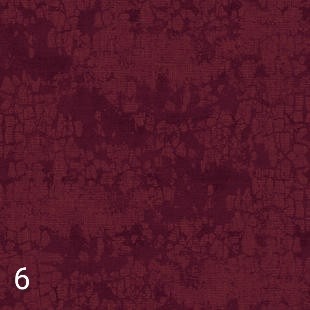
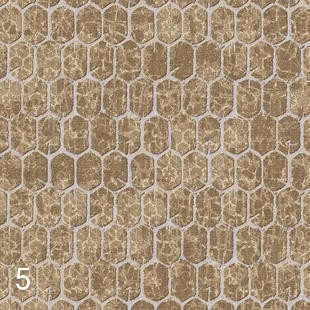
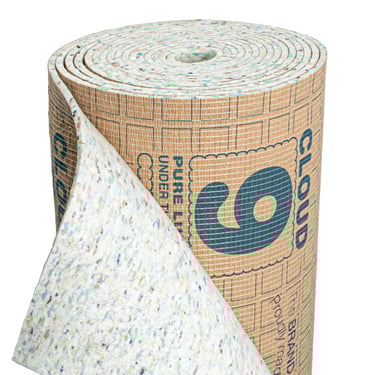
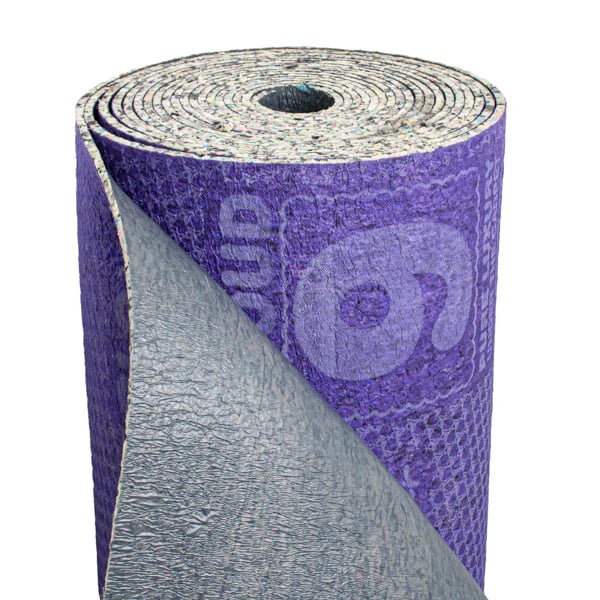
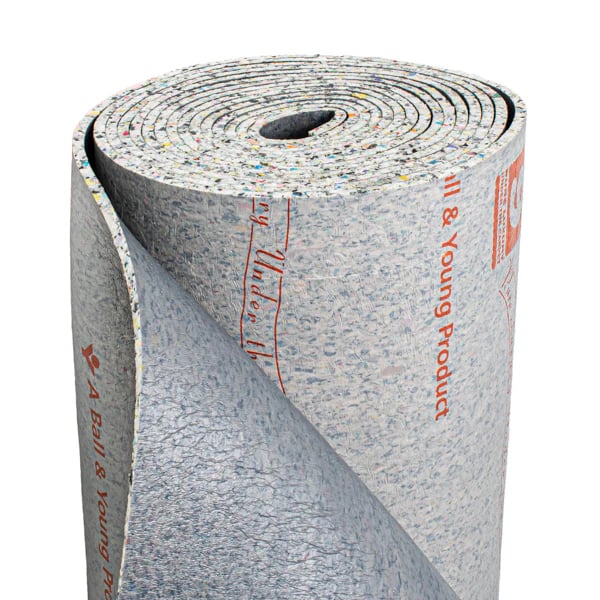
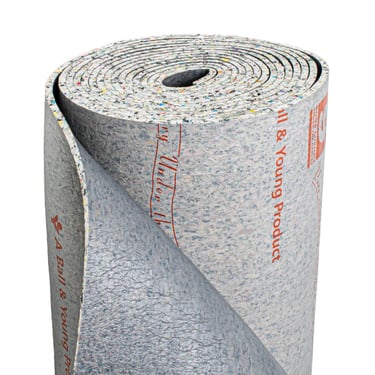
UNDERLAYS ~ GRIPPER
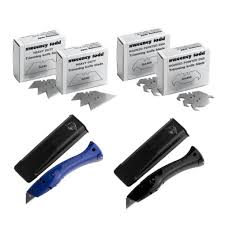
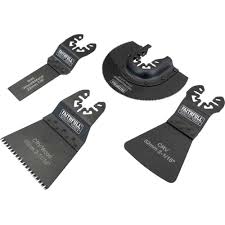
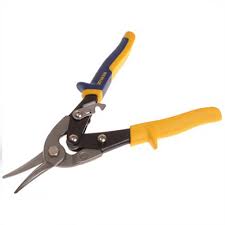
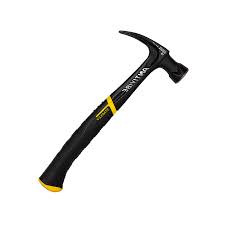
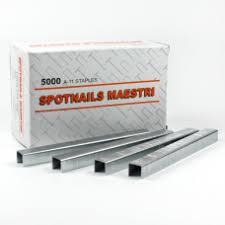
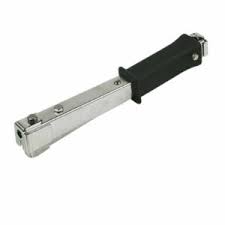
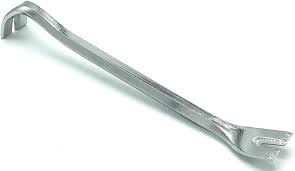
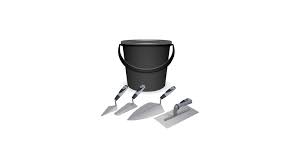

PREPERATION HAND TOOLS
BLADES ~ STAPLES ~ ACCESSORIES
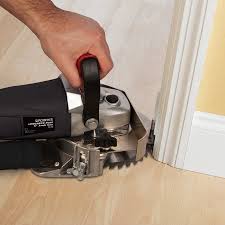
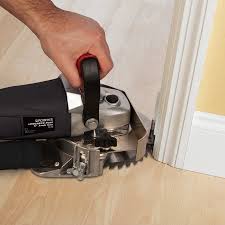
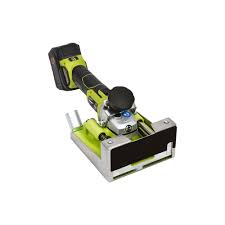
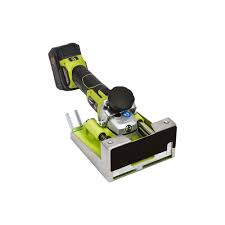
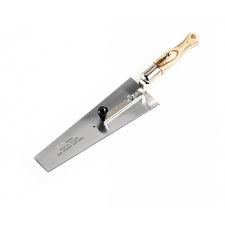
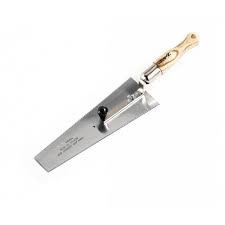
UNDER CUT DOORS & FRAMES
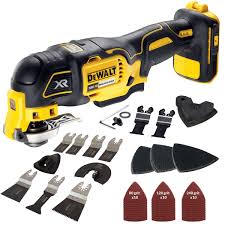
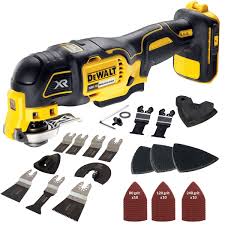


STAIRS CARPET &
RUNNERS
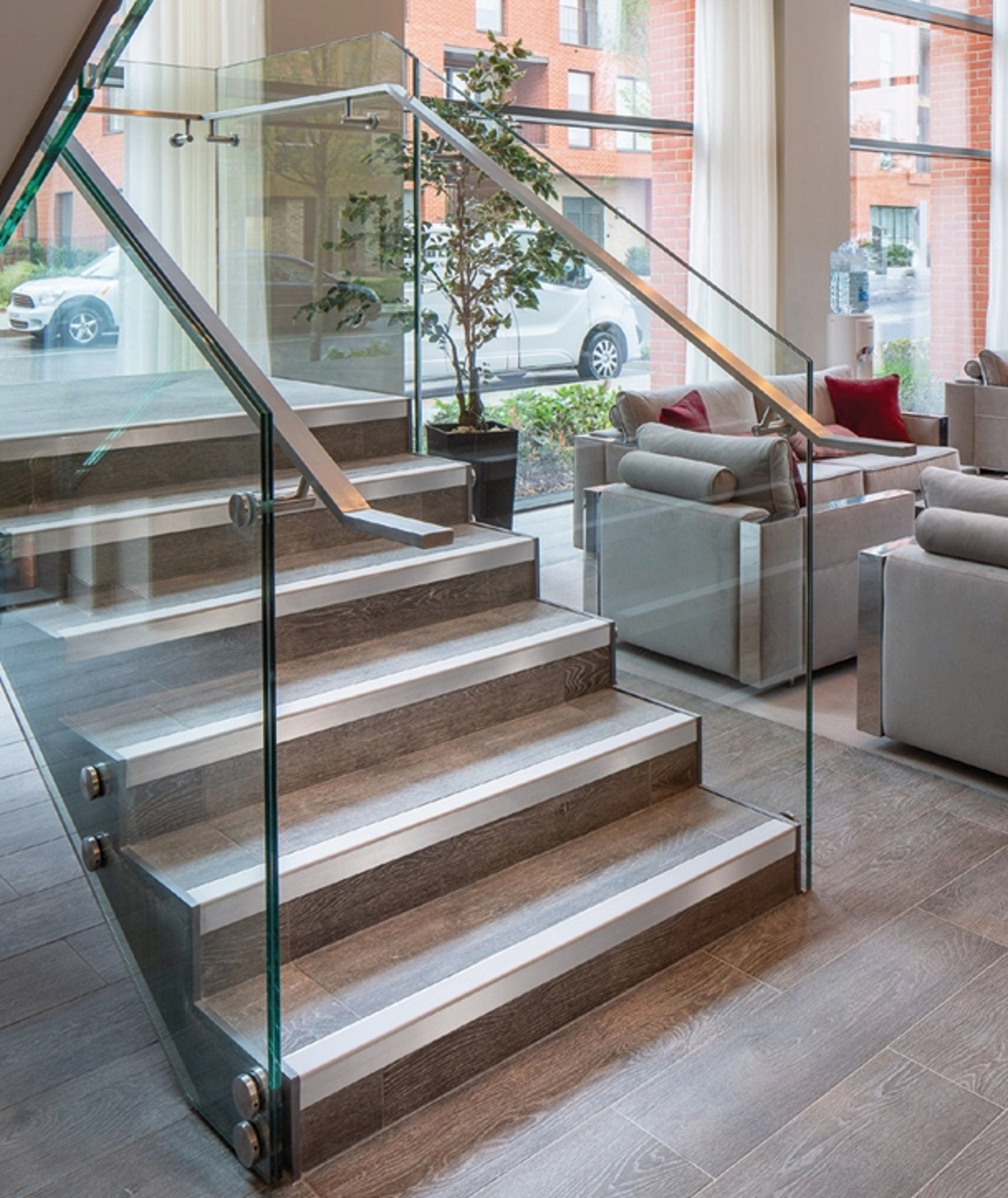
There are two primary options for carpeting stairs: covering them entirely with a broadloom carpet or installing a narrower stair runner. The best choice depends on your home's traffic levels, desired aesthetic, and budget. For maximum durability and safety, look for low-pile carpets made from wool or nylon.
Broadloom stair carpet
This type covers the entire staircase, including both the treads (where you step) and the risers (the vertical part).
Stair runners
This is a strip of carpet, often with a finished edge, that runs down the middle of the staircase, leaving the wood visible on either side.
Because stairs are a high-traffic area, the material and pile of the carpet are critical for durability and safety.
Nylon: A top choice for stairs, nylon is highly durable, resilient, and stain-resistant. Its fibres spring back into shape after being compressed.
Wool and wool blends: Wool is naturally resilient, stain-repellent, and provides a luxurious feel. Blended options (typically 80% wool and 20% synthetic) offer a balance of warmth, durability, and cost.
Polypropylene (synthetic): A more budget-friendly and stain-resistant option that holds up well to daily wear.
Sisal: A durable and hard-wearing natural fibre that is good for high-traffic areas but can be more expensive.
Loop pile and cut pile: Tightly woven carpets, such as loop pile or twist pile, are ideal for stairs as they resist flattening over time
Types of Stair Runners
Stair Carpet
A classic choice, providing a soft feel and available in various colours and patterns.
Carpet Stair Treads
Individual pieces for each step, these are a great option if you prefer most of the stair to remain visible.
Persian Stair Runner
Known for their intricate patterns and rich colours, Persian runners bring an exotic elegance to any staircase.
Patterned Stair Carpet
Ideal for adding a focal point to your home, available in designs ranging from subtle to bold.
Stair Carpet Runner
Specifically designed for the width of your stairs, these runners leave the edges of the steps visible, framing your staircase beautifully.
Stair Rug
Similar to stair carpet runners, but often featuring more detailed designs and unique textures.
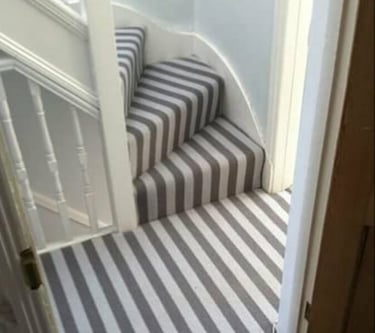
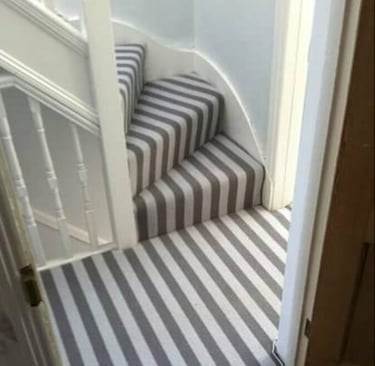
Striped Stair Carpet
Offers a modern, elongating effect to your staircase, making it appear longer and more spacious.
STAIR
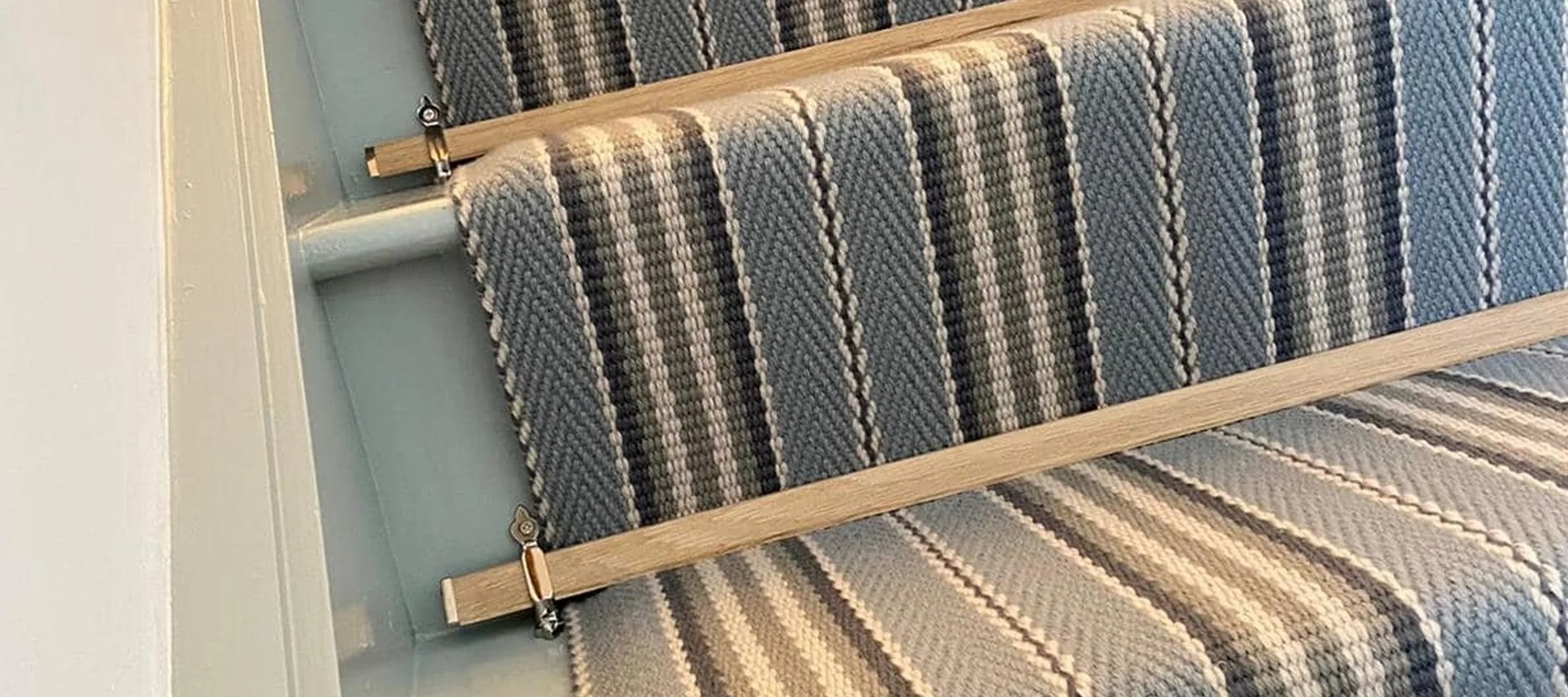
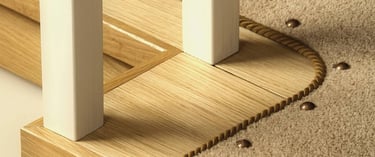
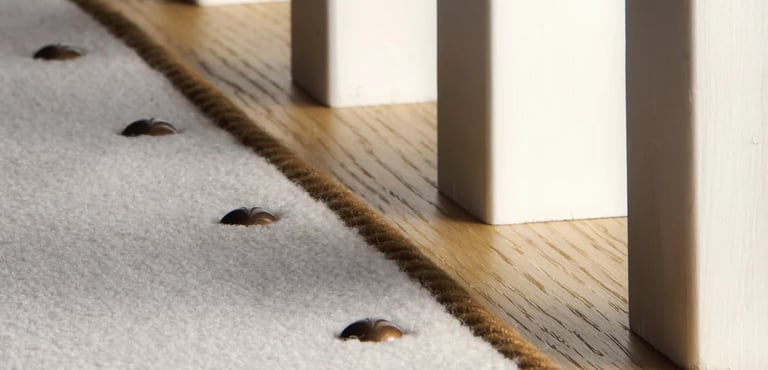
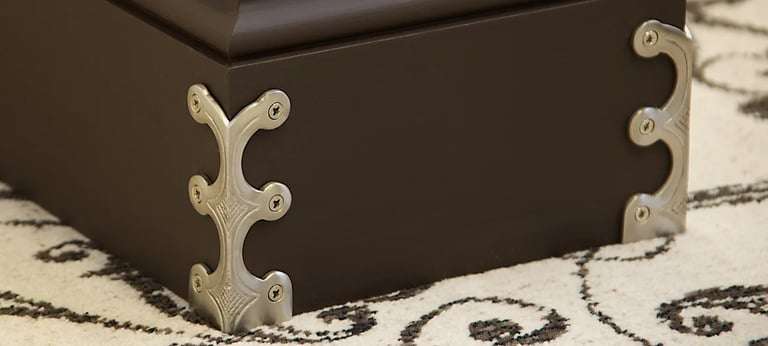
CLIPS ~ RODS ~ STUDS ~ BINDING


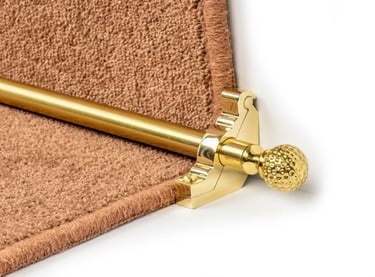
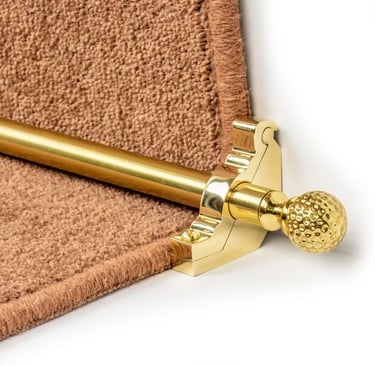
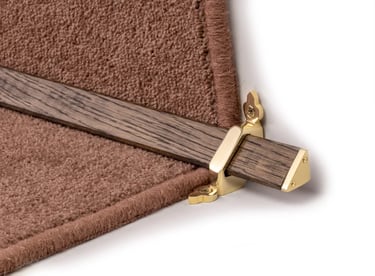
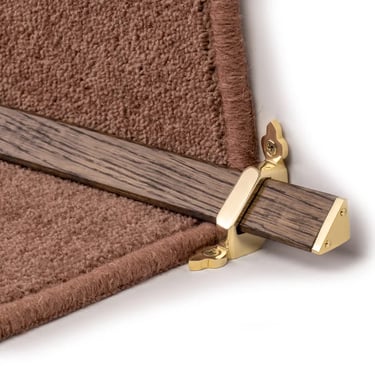
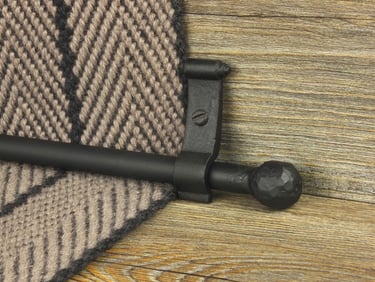
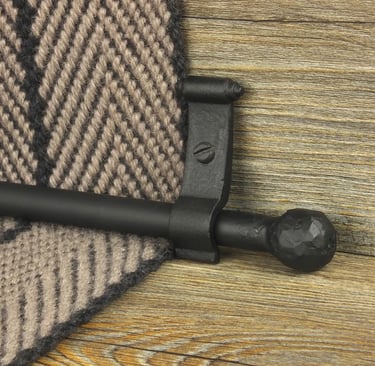
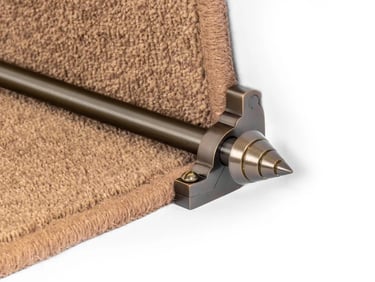
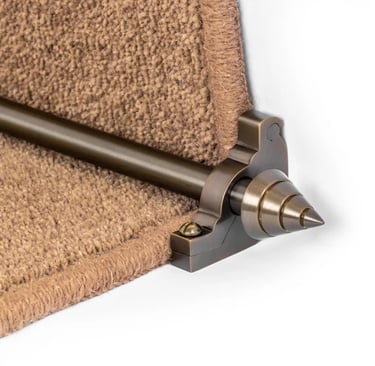
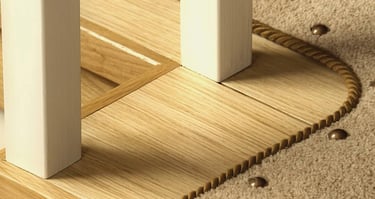
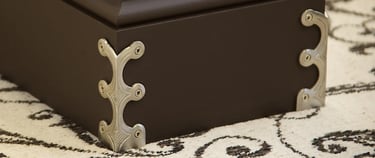
All colours available
Polished Brass, Antique Brass, Antique Bronze, Satin Brass, Black, Pewter, Polished Nickel, Satin Nickel , Brushed Chrome or Chrome.
CARPET TRIMS
&
ACCESSORIES
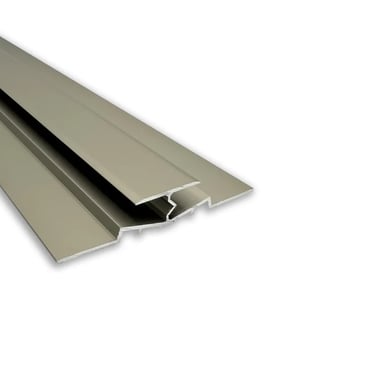
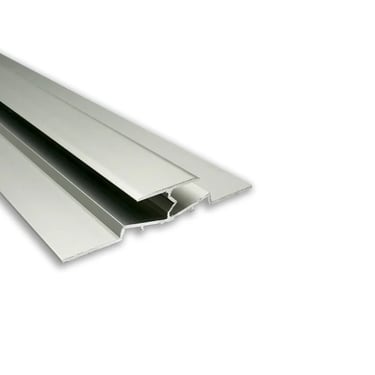
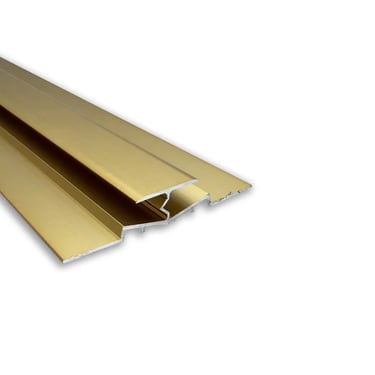
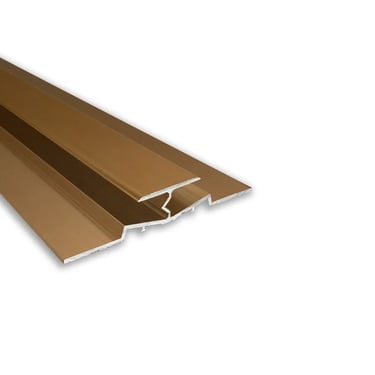
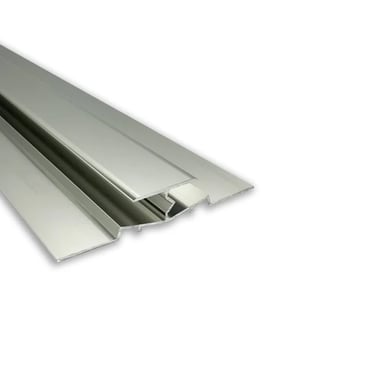
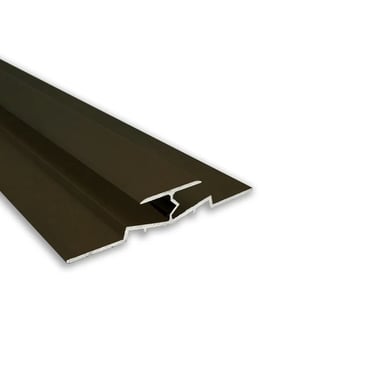
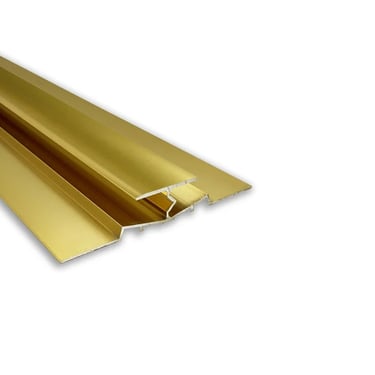
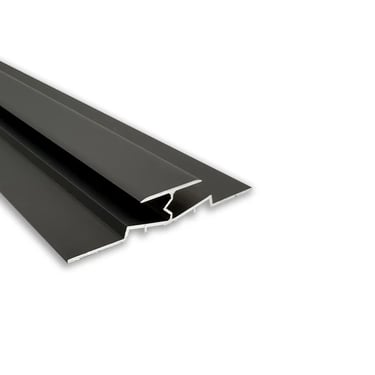
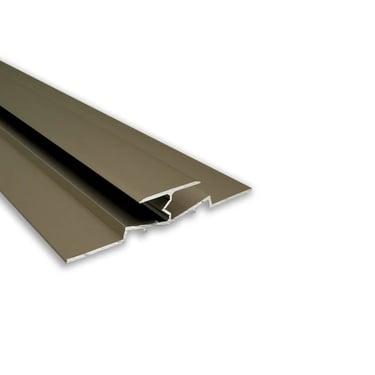
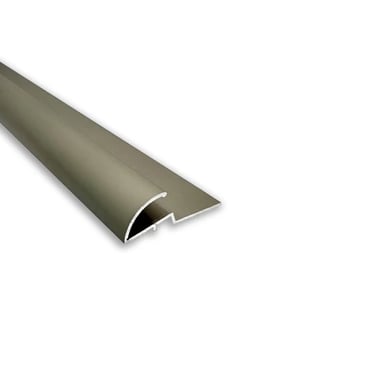
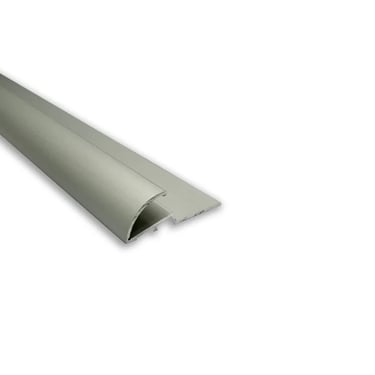
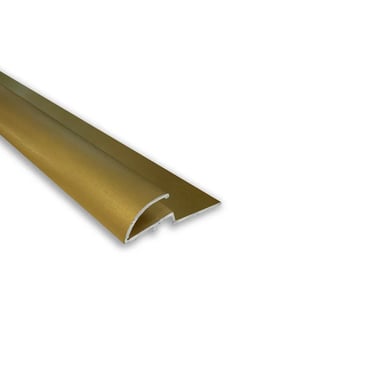
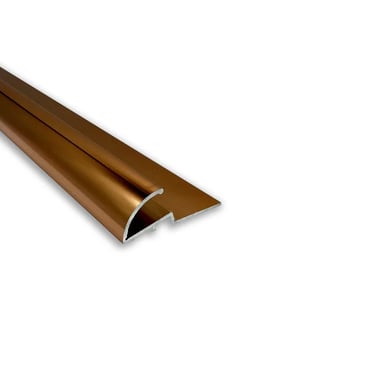
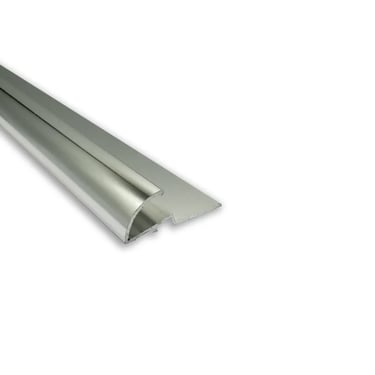
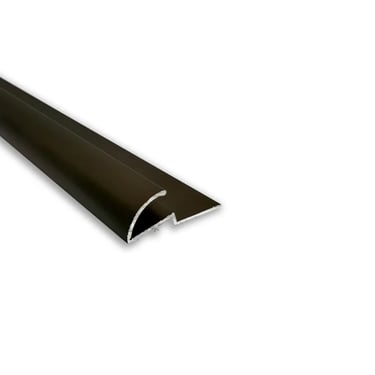
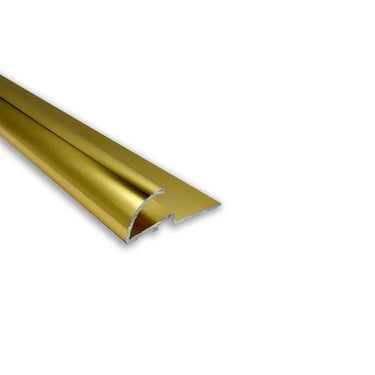
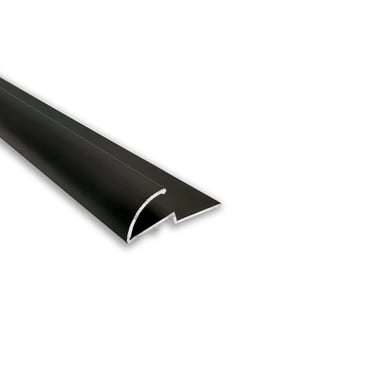
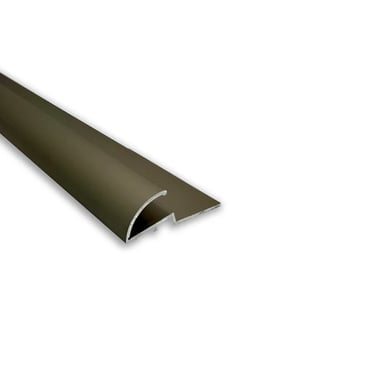
Choice of standard finishes: Antique, Black, Brass, Bronze, Chrome, Copper, Satin Brass, Satin Chrome and Satin Nickel
Choice of length: 90cm and 180cm
Expertly engineered to provide a seamless transition from carpet to entrance matting and carpet to hard flooring.
CARPET TO CARPET DOUBLE BAR
CARPET SINGLE BAR
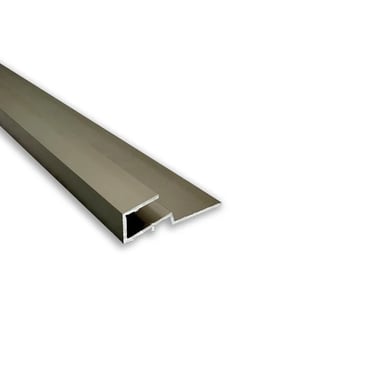
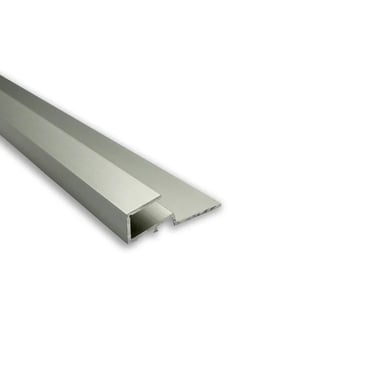
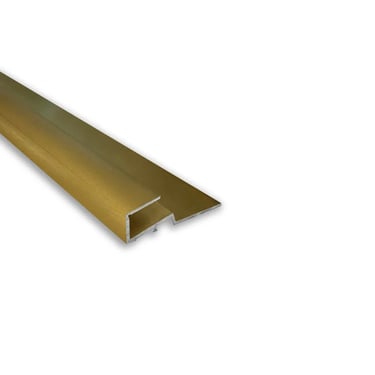
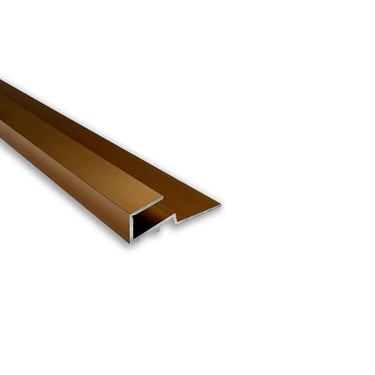
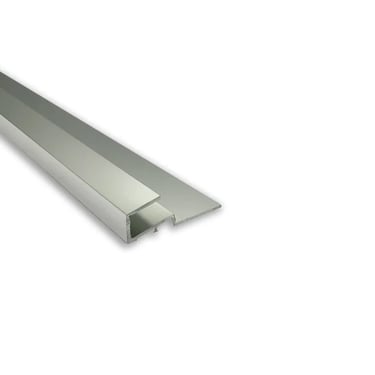
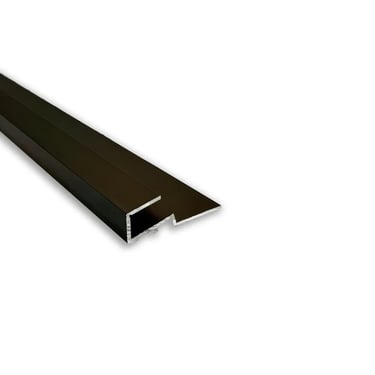
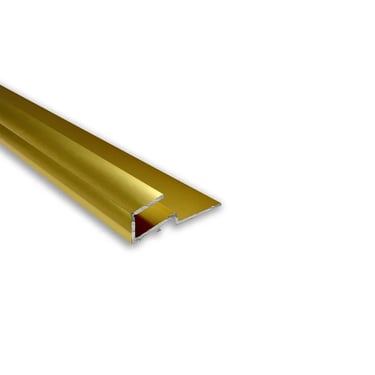
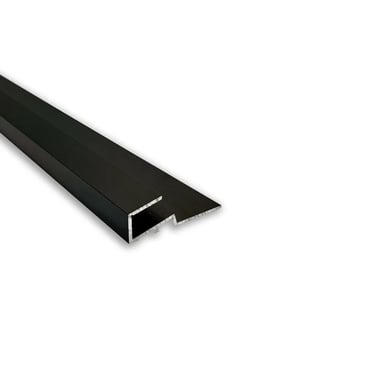
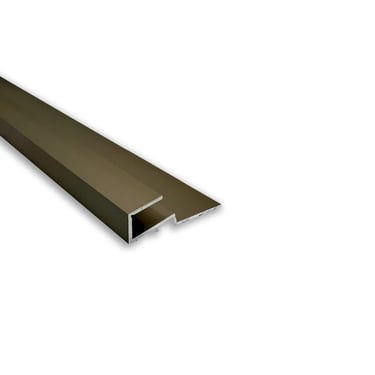
SQUARE EDGE BAR
COMMERCIAL GRADE CARPET
Commercial office carpeting must balance durability, aesthetics, and acoustics to create a productive environment. Because these carpets are designed to withstand heavy foot traffic, spills, and rolling office chairs, they are often different from residential options
Performance ratings
To ensure a hospitality carpet meets the necessary standards, manufacturers certify their products based on durability and appearance retention. In Europe, this is done through EN 1307 testing, which assigns traffic ratings:
Class 31: Suitable for light commercial traffic, such as hotel rooms.
Class 32: For normal commercial use in areas like restaurants.
Class 33: Rated for heavy commercial traffic, including hotel reception areas and lobbies.
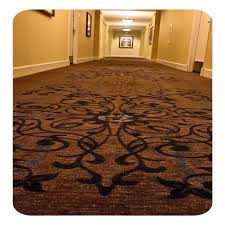
Hospitality carpets are specially designed for hotels and similar venues, balancing durability and high-performance features with aesthetics and comfort to withstand heavy foot traffic and create a positive guest experience. Key attributes include stain resistance, easy maintenance, and features like cut-and-loop construction for rich texture. They are engineered to provide thermal insulation, contribute to a luxurious feel, and can even incorporate custom branding or logos, all while meeting the demanding needs of public spaces and guest rooms.
Key Features & Benefits:
Durability & Performance:
Engineered for high-traffic areas, these carpets are built to last, offering resistance to wear and tear from busy corridors, lobbies, and guest rooms.
Stain Resistance:
Many hospitality carpets come with special finishes to resist stains, making them easier to clean and maintain, especially in high-use environments.
Aesthetic Appeal:
They offer a wide range of designs, colors, and patterns, from classic luxury to modern styles, helping to create a desired ambiance for any venue.
Comfort & Luxury:
Fibers like natural wool provide exceptional softness and warmth underfoot, enhancing the guest's comfort and adding a sophisticated touch.
Thermal & Acoustic Properties:
The dense fibers in carpets act as a thermal insulator, providing warmth, and can help control noise levels by dampening sound.
Customization:
Many manufacturers offer custom branding, allowing for personalized patterns or the integration of hotel logos to create a unique guest experience.
The thermal insulation provided by carpet fibers can contribute to energy savings by keeping spaces warmer, reducing the need for excessive heating.
Applications:
Hospitality carpets are used throughout a venue, including:
Guest Room Carpets: For comfort and to add a touch of luxury.
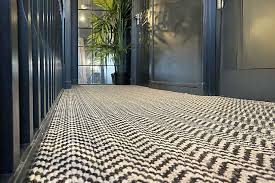
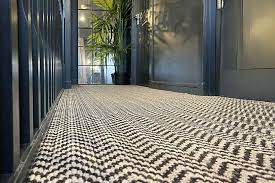
Hotel Hallways & Corridors: To withstand heavy foot traffic and provide a welcoming pathway.
Public Spaces: Such as lobbies and event spaces, where style and durability are crucial.
HOSPITALITY ~ COMMERCIAL GRADE CARPETS
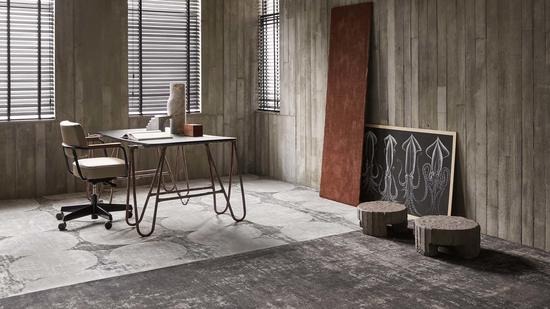
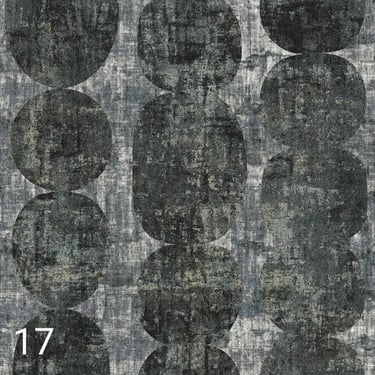
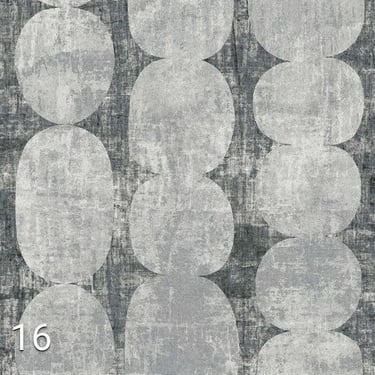
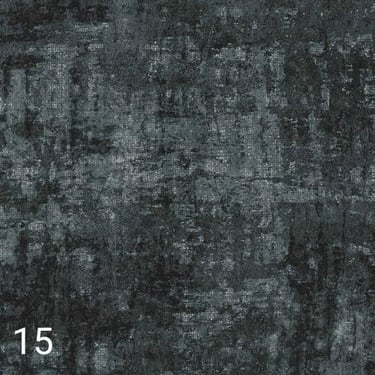
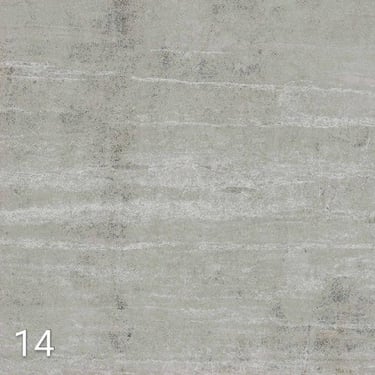
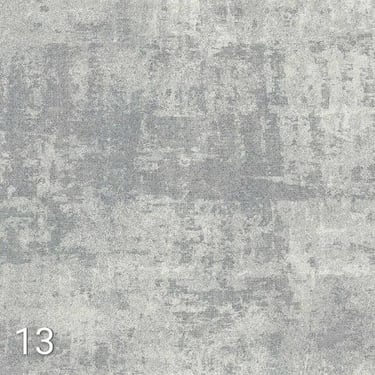
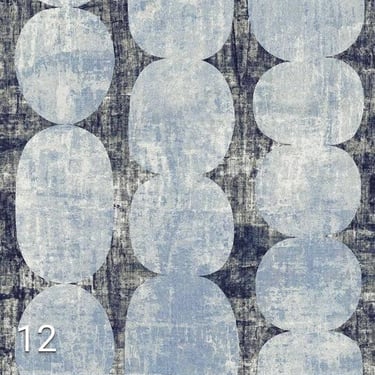
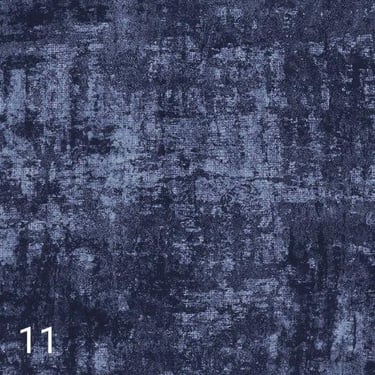
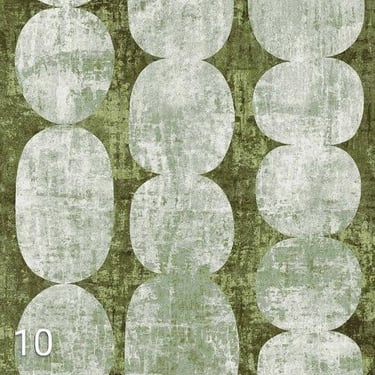
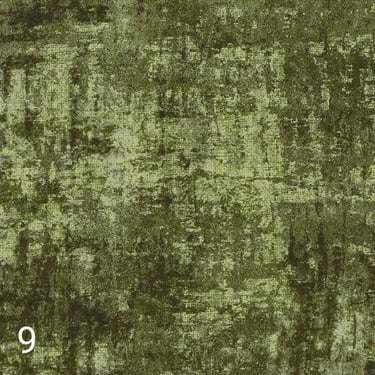
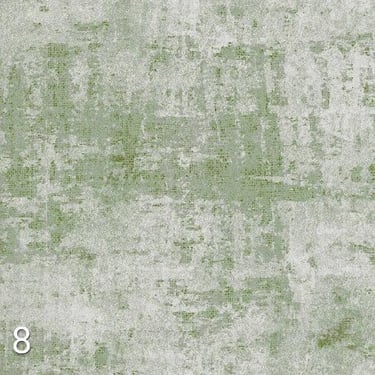
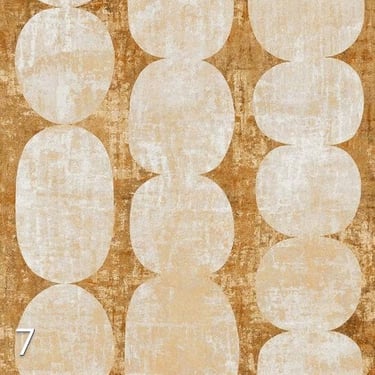
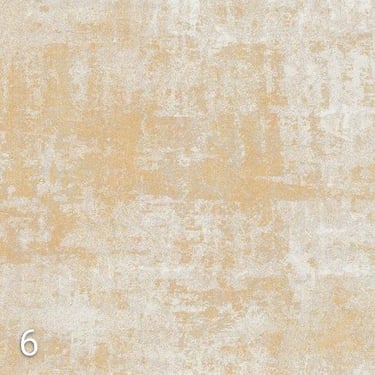
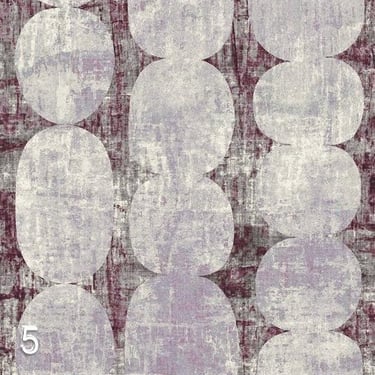
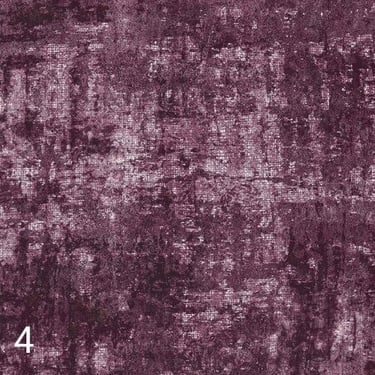
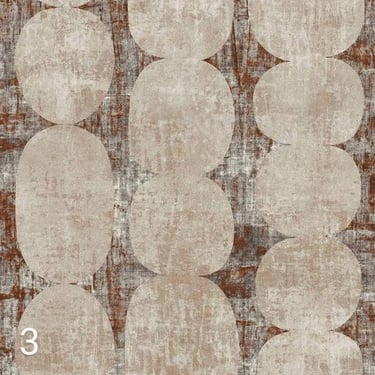
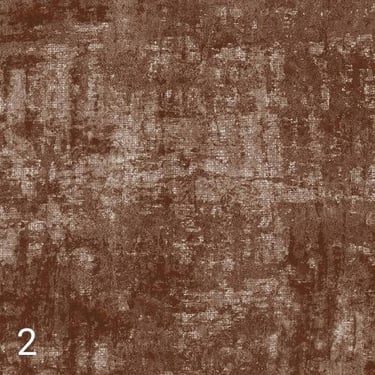
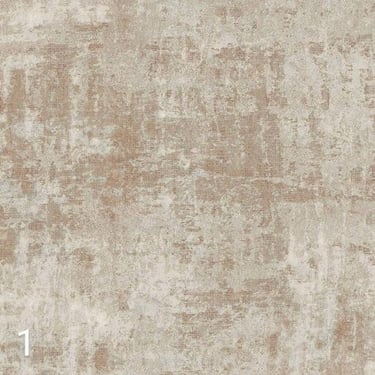
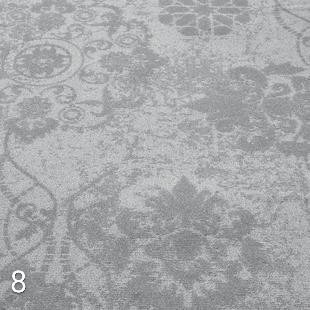
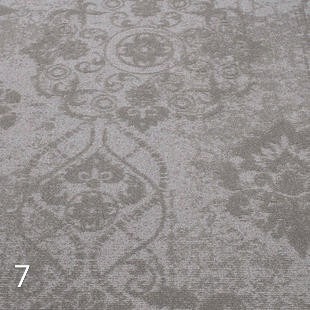
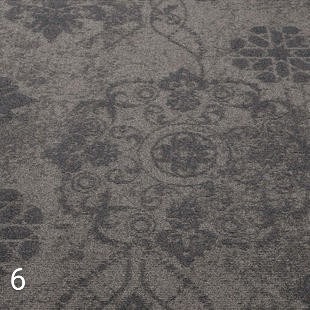
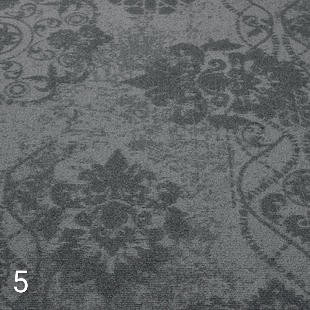
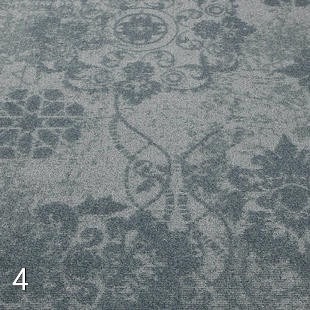
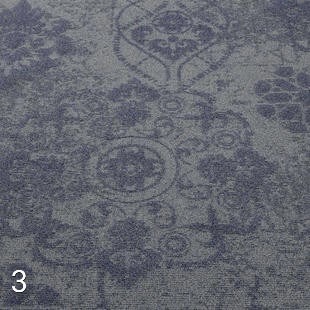
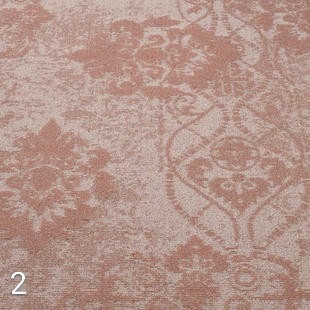
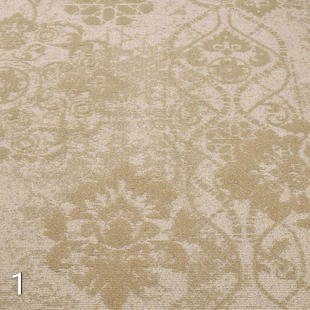

CONTRACT CARPET
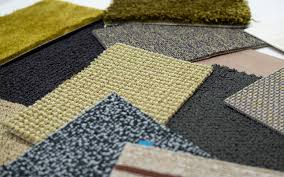
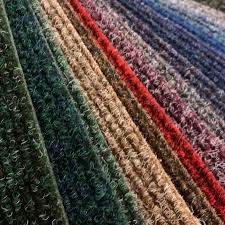
A contract carpet, also known as commercial or industrial carpet, is a type of flooring specifically engineered for durability and high traffic in business and public environments. Unlike traditional residential carpets, they are designed to be extremely hard-wearing, long-lasting, and easy to maintain.
Contract carpet is the ideal choice for any commercial setting that experiences high volumes of foot traffic. It is necessary in business and public environments where a residential-grade carpet would quickly show wear and tear. For commercial properties, it is a practical and durable solution that stands up to the rigorous demands of daily use.
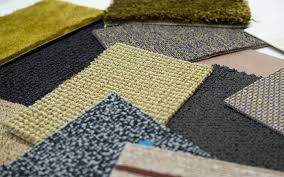

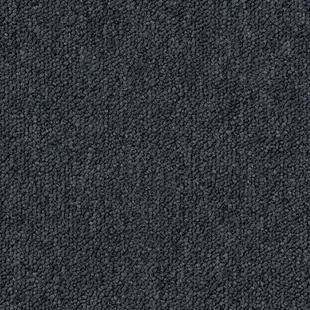
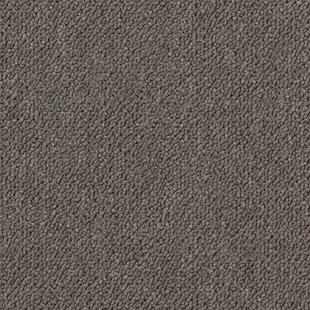
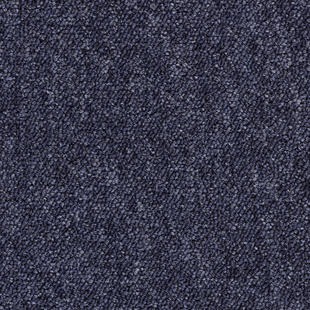
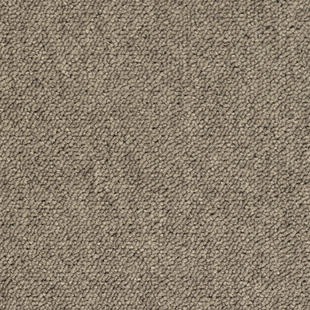
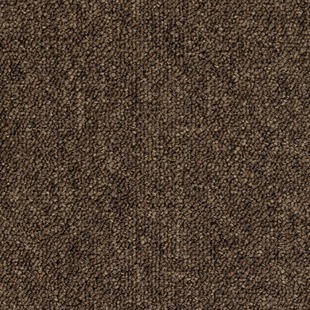
TILE & ROLL
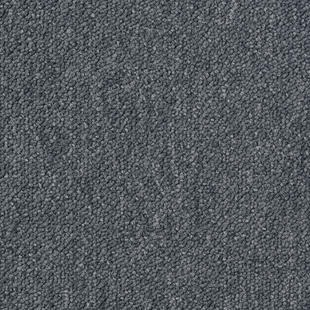
Hard-wearing and business-like product at an affordable price level
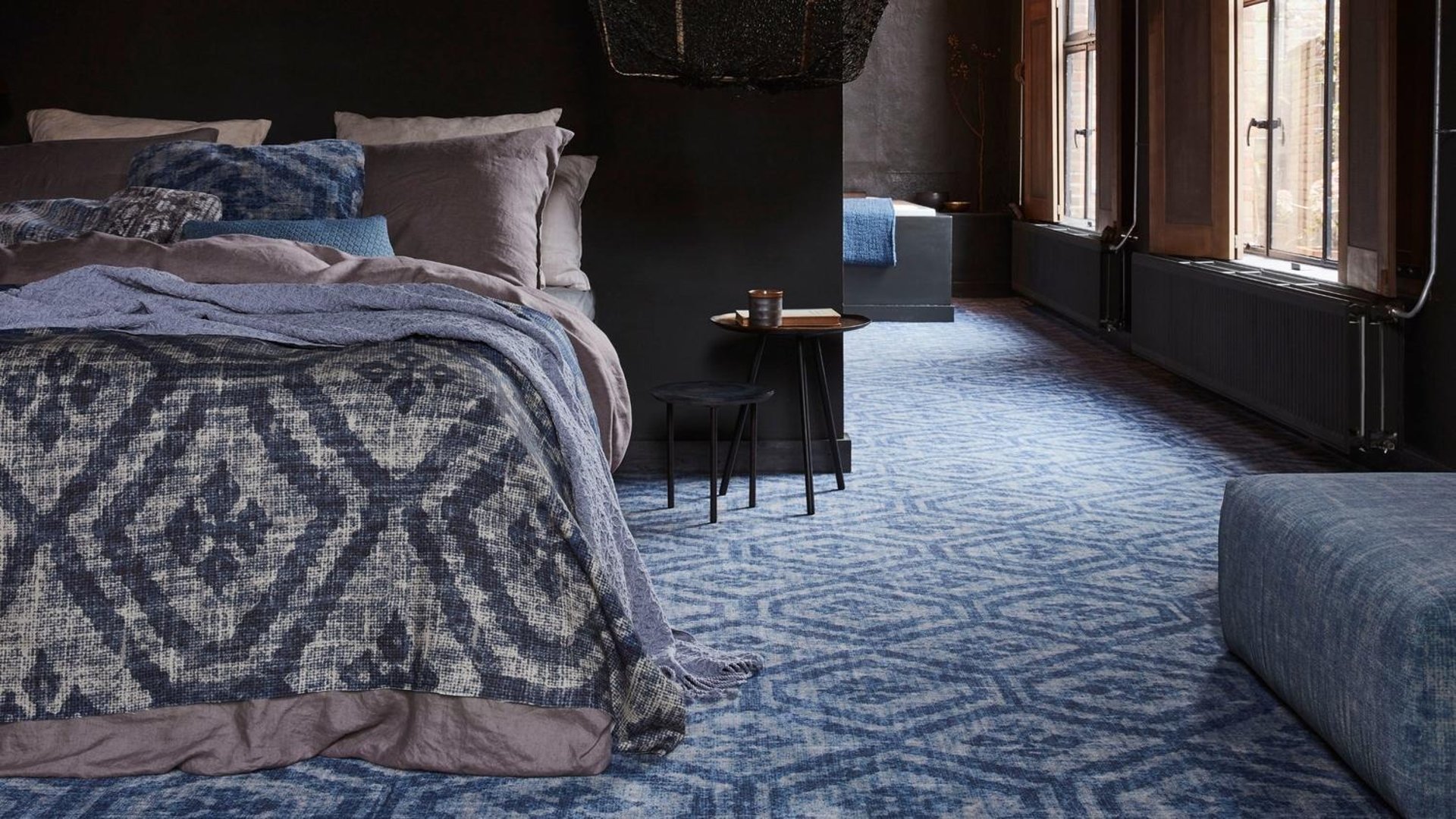
CUSTOM DESIGN
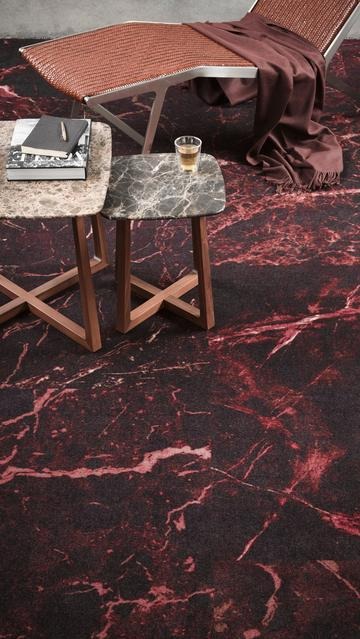
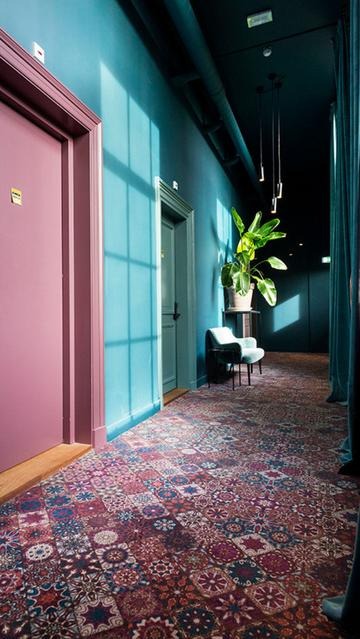
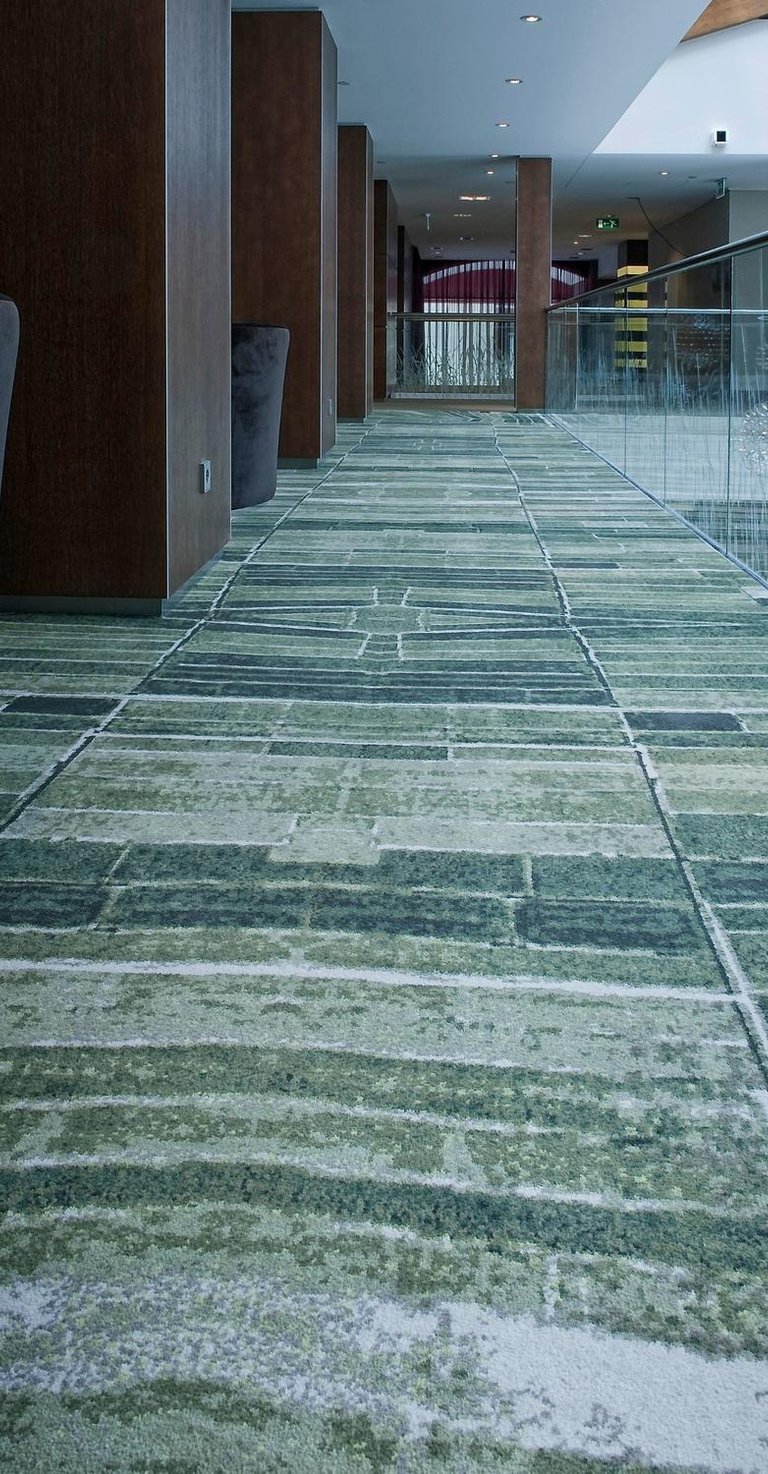
Experience unprecedented freedom in carpet design with our custom-made Gravure printed carpet. Bringing outstanding colour and clarity to your design through use of printing technologies that apply pattern to a white ‘greige’ tufted carpet surface by injecting dye with high pressure jet heads, achieving optimal dye penetration. Combined with DESSO’s extensive palette of vibrant colours, the possibilities are endless. Don’t hesitate to contact our design team for support with your design project.
View less
Key features
Short lead time
Unlimited design possibilities
Endless colour options
Experienced design team
Time and cost-saving project management team
Dedicated worldwide customer support
CUSTOM PRINTED CARPET
REQUEST A QUOTE
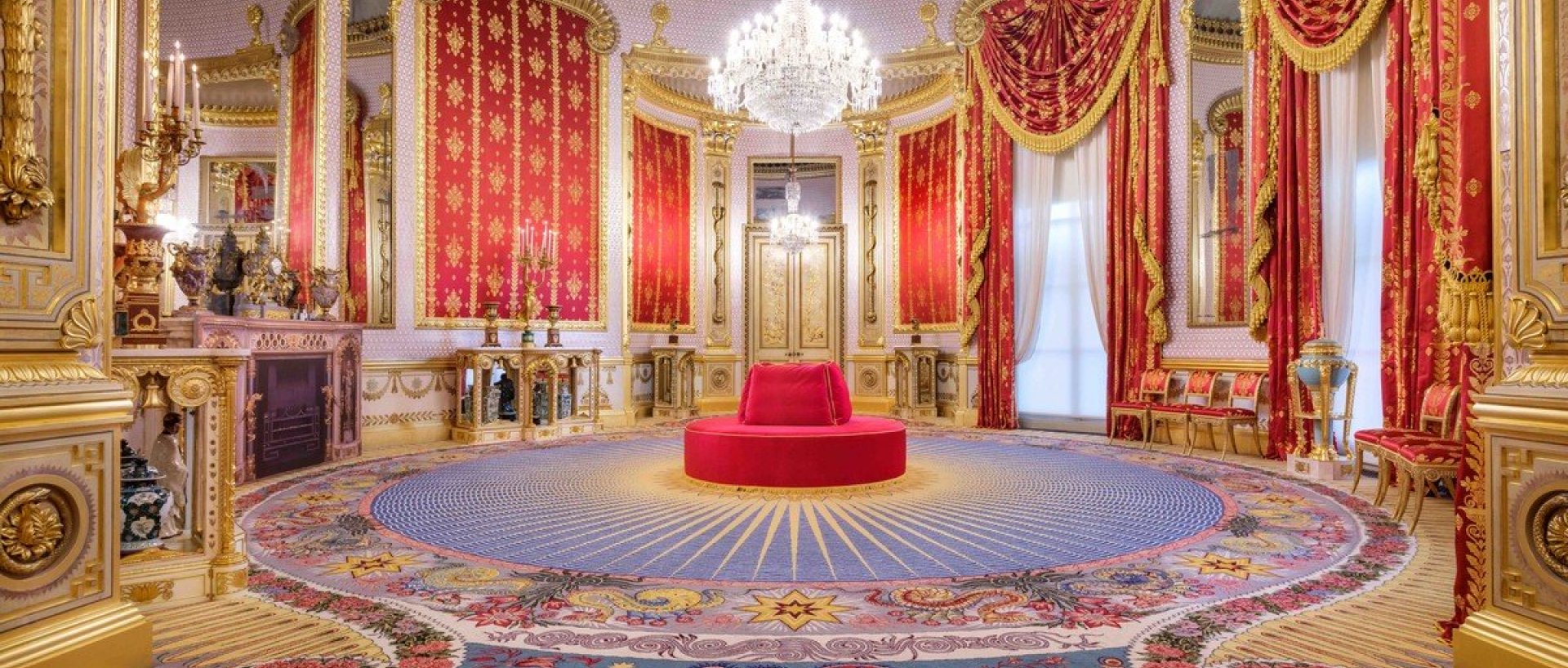
Key characteristics
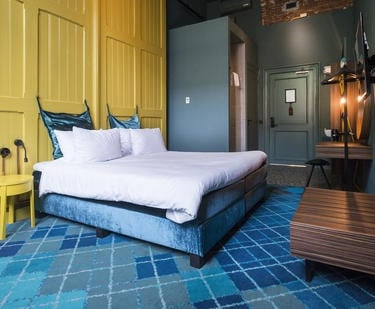
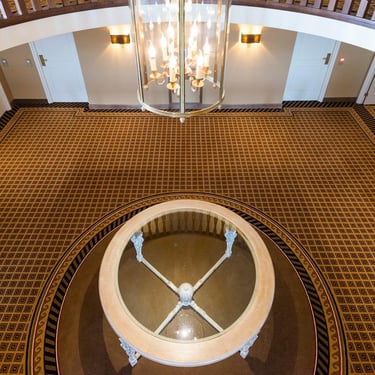
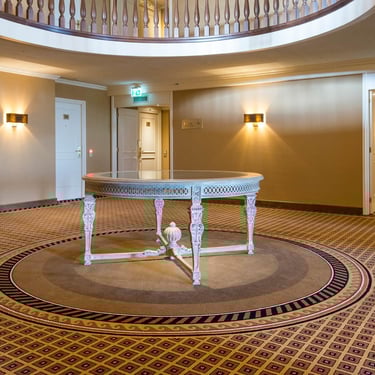
Superior craftsmanship: The Axminster weaving process creates a strong, integrated three-dimensional structure. It is valued for its quality and performance retention, making it ideal for both residential and high-traffic commercial use.
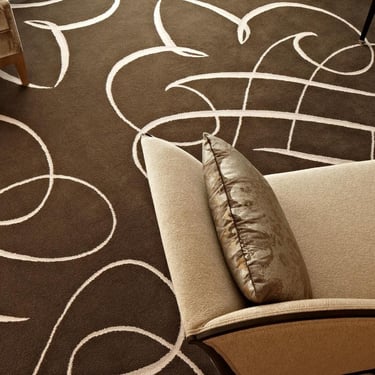
Intricate patterns: Axminster looms can produce complex, detailed, and vibrant designs. This versatility allows for almost limitless patterns, including traditional motifs and modern geometric or pictorial designs.
High-quality materials: Most Axminster carpets use an 80% wool and 20% nylon yarn blend. The natural properties of wool provide softness, resilience, and excellent color retention, while the nylon adds strength and durability.
Lasting durability: The weaving method locks each tuft of yarn securely in place, preventing premature wear and shedding. This results in a long-lasting and resilient floor covering, especially suitable for high-traffic areas like hallways, hotels, casinos, and airports.
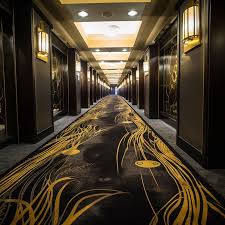
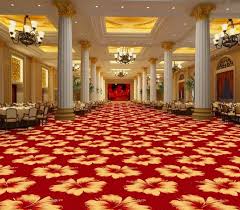
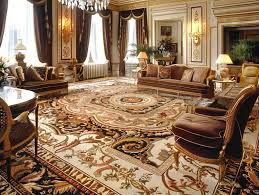
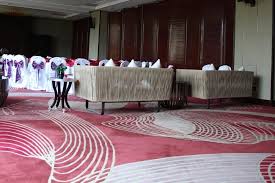
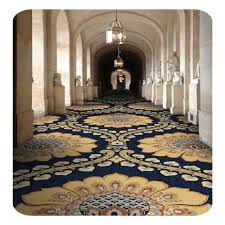
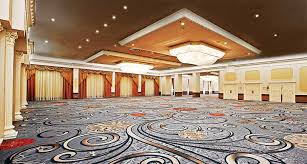
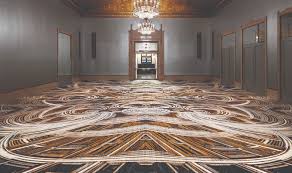
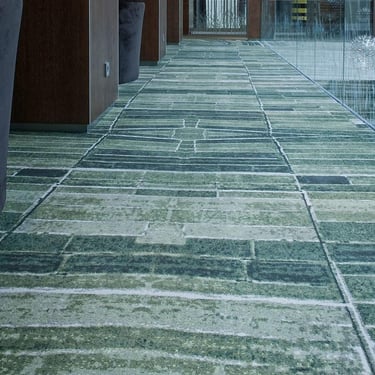
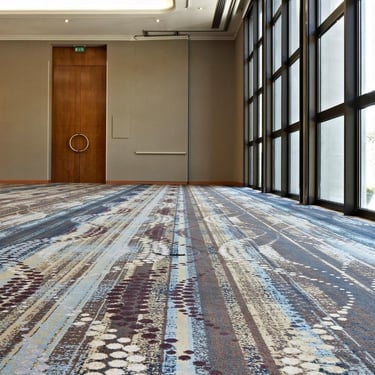
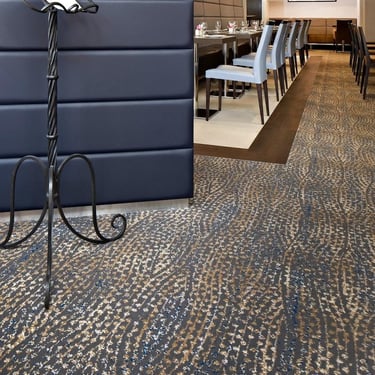
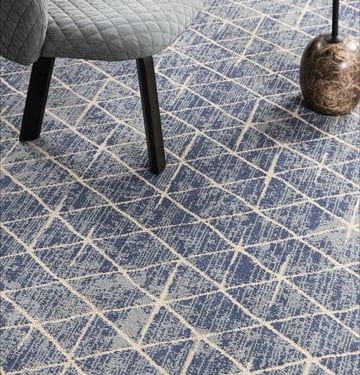


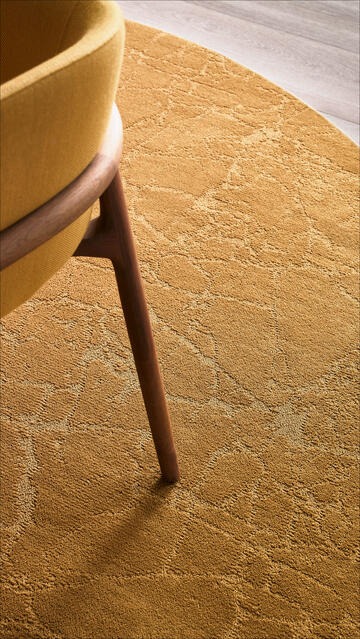
Axminster Sculpt
Axminster Sculpt offers a structured, organic depth never-before-seen in Axminster carpet. Tarkett’s cutting-edge technology allows the application of varying pile heights, creating a truly unique effect for the ultimate luxury experience.Benefit from unlimited creative possibilities through this extra layer of depth, and the ability to fully customise your designs using our extensive colour palette for a truly bespoke outcome.
Key features
Add organic depth through varying pile heights
Fully customisable
Luxurious look and feel
High quality DESSO Axminster
Design and project support available worldwide


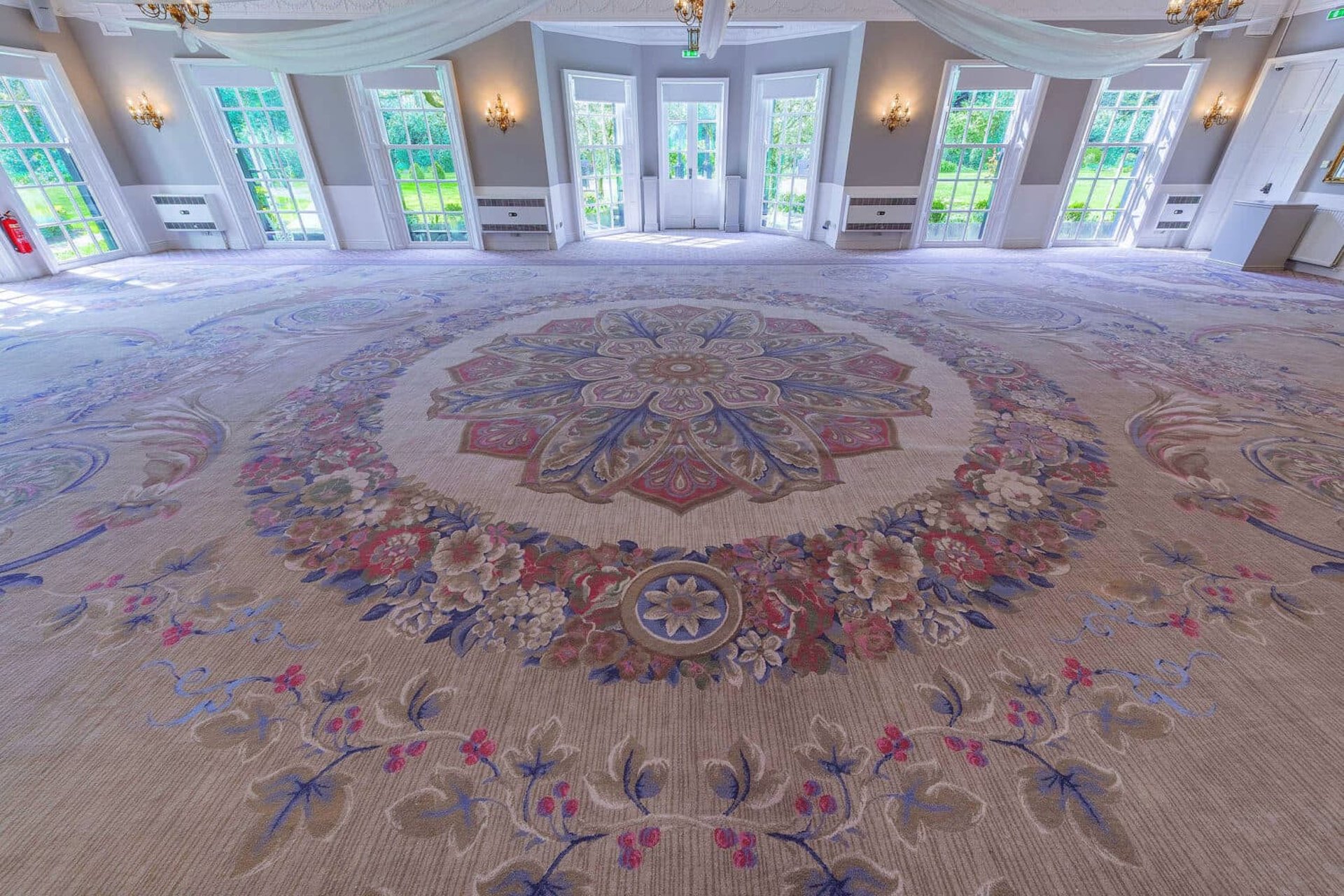
A Wilton carpet is a type of woven carpet known for its durability, crisp patterns, and exceptional construction. The name comes from the town of Wilton in England, where the weaving technique originated in the 18th century. The Wilton weaving method is one of the oldest carpet-making styles and is a hallmark of high-quality woven carpets.
Key characteristics of a Wilton carpet:
Woven construction: Unlike tufted carpets, the pile fibers are woven into the carpet's backing simultaneously, creating a single, integrated piece. This makes the carpet extremely strong and resilient.
Durability: The dense, stable construction means Wilton carpets can withstand heavy foot traffic and resist crushing, making them suitable for high-traffic areas in homes and commercial settings.
Pattern definition: The jacquard loom used in the weaving process precisely controls which colored yarns appear on the surface. This allows for clear, crisp designs, often with geometric or repeating floral patterns.
Pattern limitation: Wilton carpets typically use a limited number of colors, historically 5 or 6, which restricts the complexity of designs compared to other weaving methods like Axminster.
Versatility: The weaving technique allows for the creation of both looped and cut pile textures, or a combination of both, providing a range of design options.
Backing: The carpet has a single, strong backing, with unused colored yarns buried within it to provide extra weight and resilience.
Wilton carpets are often compared to Axminster carpets, another type of woven carpet. While both are high-quality, Axminster offers more complex, intricate patterns with more colors, whereas Wilton is prized for its structural stability and crisp, geometric designs.


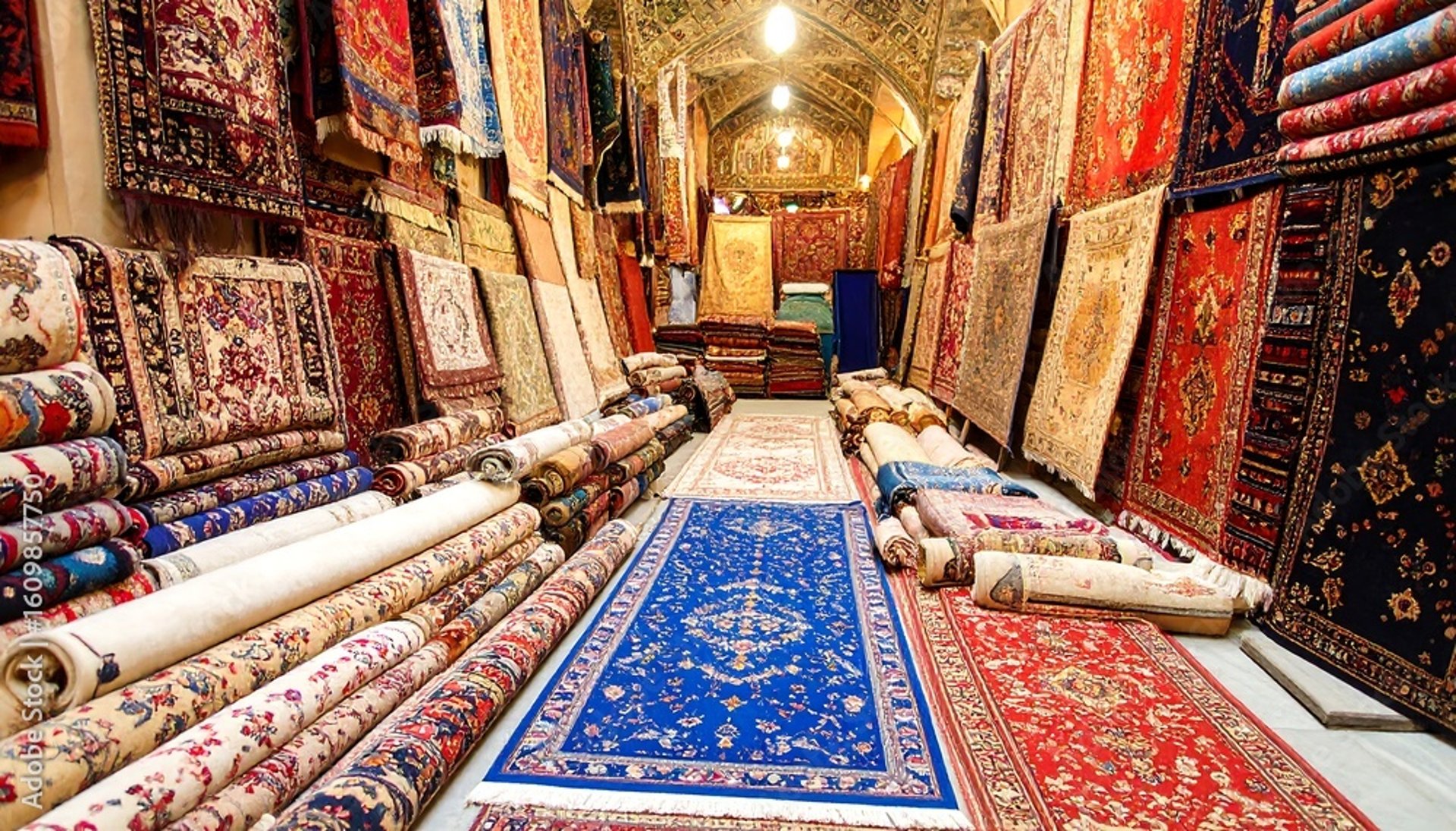
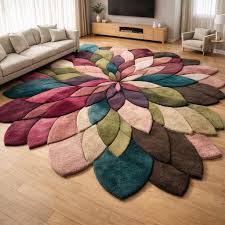
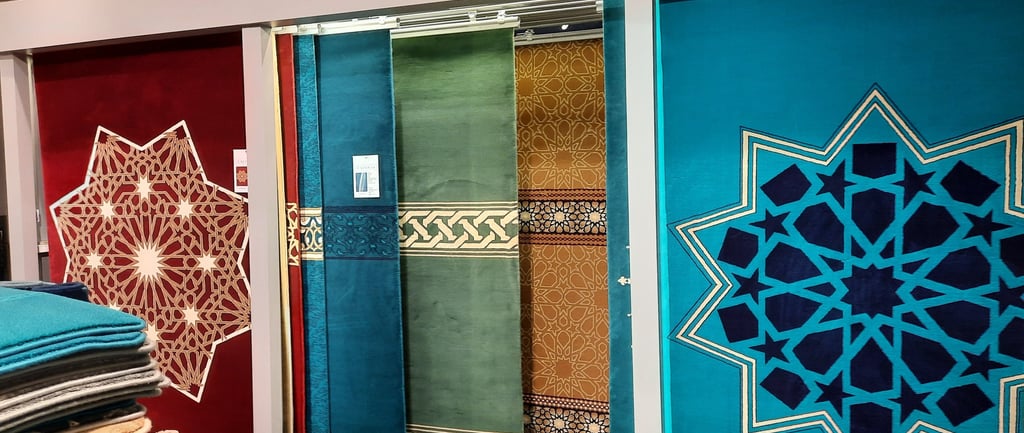
RUGS & PRAYER MATS
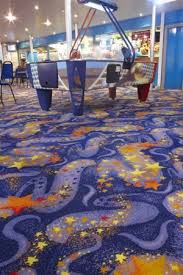
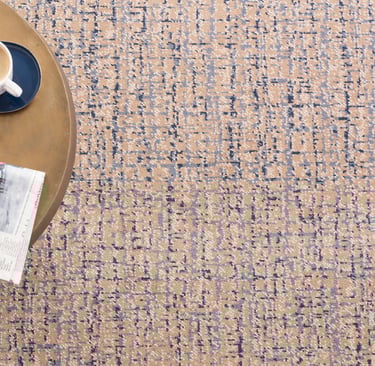
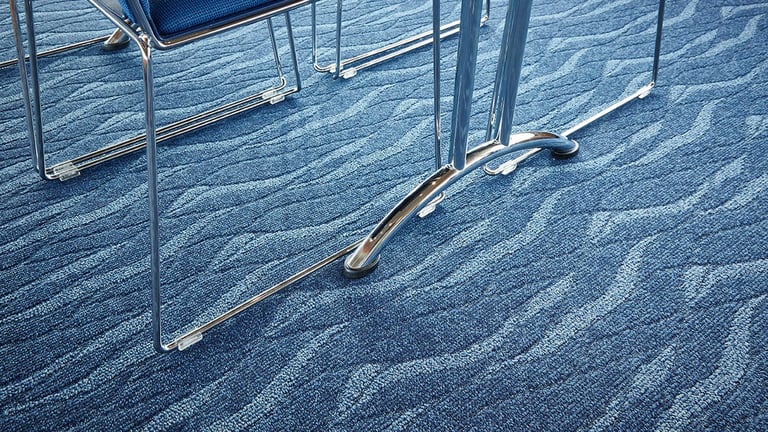
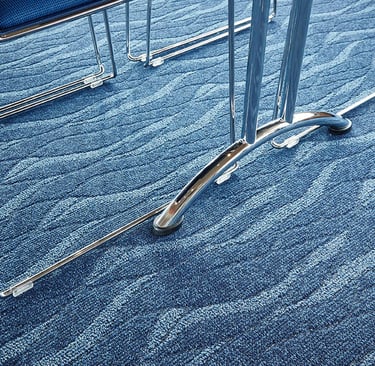
This premium quality Axminster carpet is especially developed for marine and is available directly from stock in four intriguing patterns and colour combinations. Perfect for interior design projects that run on a tight schedule.
MARINE SAFE CARPET

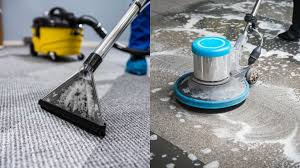
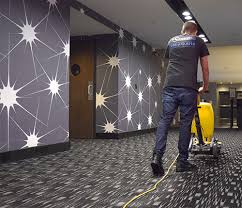
FLOOR MAINTENANCE
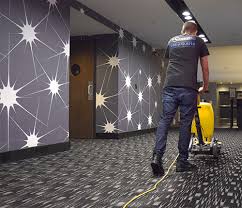
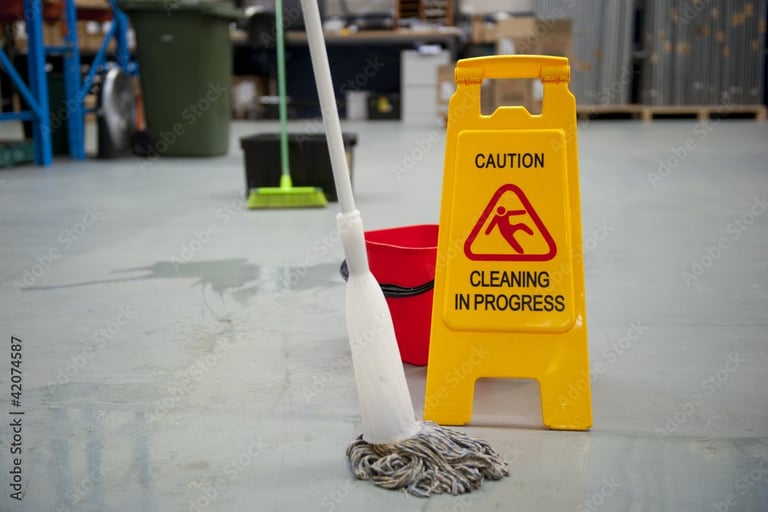
DOMESTC & COMMERCIAL SERVICES
GET IN TOUCH